Australia Bucket List 2026: 36 Best Ideas and Experiences by State
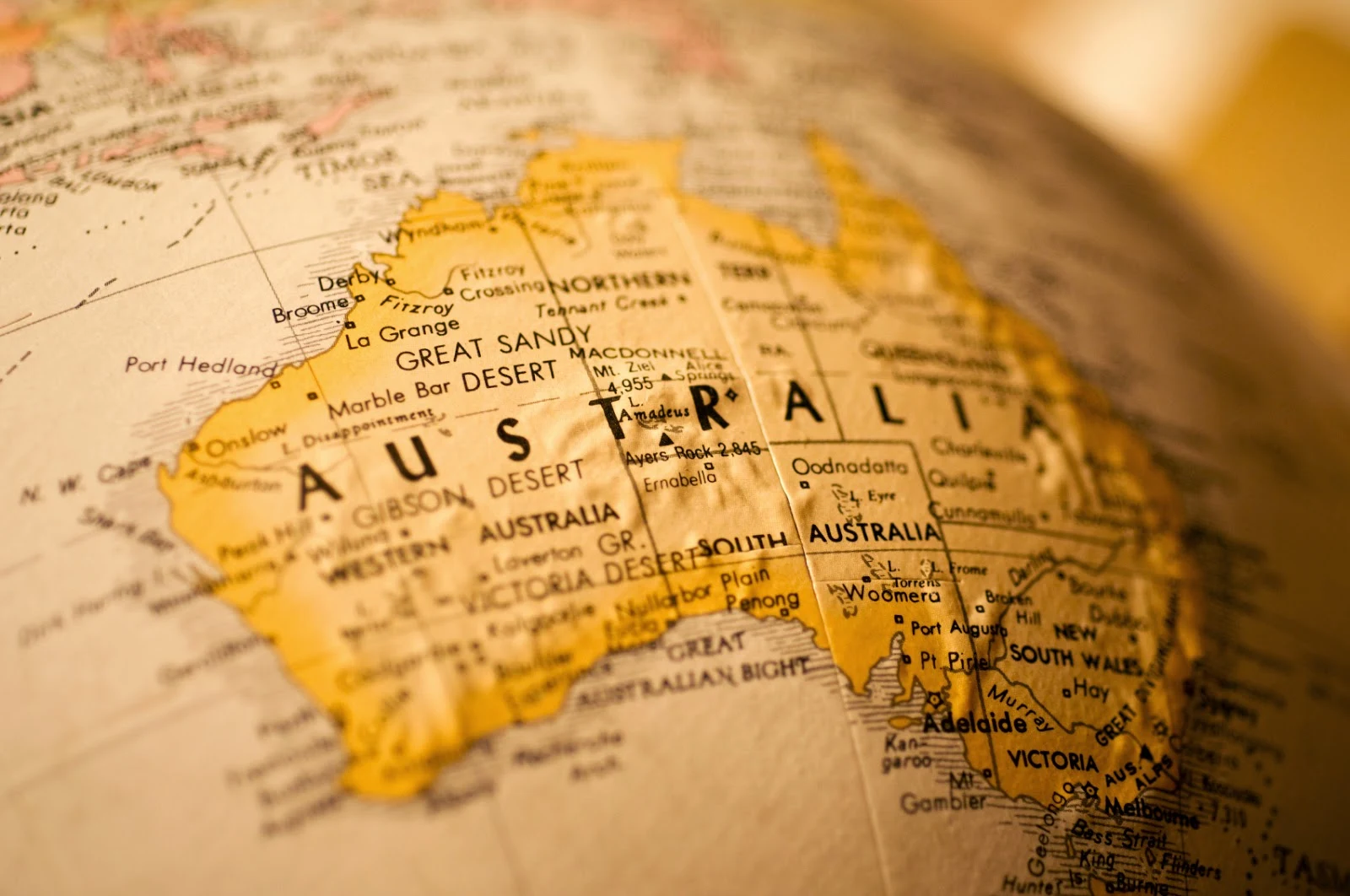
Australia's bucket list spans desert, reef and coastline across a continent nearly the size of the United States.
Quick answer. The essential Australia bucket list covers four things most first time visitors regret skipping: a Great Barrier Reef day trip from Cairns or the Whitsundays, an Uluru sunrise or sunset viewing in the Red Centre, a Sydney Harbour walk that includes the Opera House and either the Bridge Climb or the free Harbour Bridge pylon lookout, and one nature heavy road trip such as the Great Ocean Road or Tasmania's east coast. Everything below builds on that core, organized by state so you can plan around the region you are actually flying into.
Australia is roughly the size of the continental United States, which is the detail most bucket lists leave out. A trip that tries to cover Sydney, the Great Barrier Reef, Uluru, and Tasmania in ten days usually means three of those four become airport layovers rather than actual experiences. This guide is organized by state and territory for that reason. Pick the region tied to your flight route and time budget first, then use the ideas inside that section, rather than trying to complete the whole list in one visit.
Jump to a state
New South Wales bucket list experiences
Most international flights land in Sydney, which makes New South Wales the default starting point for an Australia bucket list itinerary rather than a deliberate choice. That works in the state's favor, since it packs harbor, coastline, and mountain scenery into a compact area.
1. Walk the Sydney Harbour Bridge pylon lookout instead of only the paid climb
The BridgeClimb is the version every Sydney list leads with, and it is genuinely worthwhile if the budget allows for it, but it requires a booking weeks ahead in peak season and takes over three hours once you include the safety briefing and gear fitting. The southeast pylon lookout inside the bridge itself is a walk up option with no booking required, and it delivers close to the same harbor sightline from a lower vantage point, plus a small museum on the bridge's construction history that most climb tours do not stop for. The common mistake is treating it as a consolation prize rather than budgeting proper time for it. Give it a full hour, arrive in the two hours either side of sunset, and pair it with the free Harbour Bridge lookout at Milsons Point on the north shore for a second angle on the same structure.
2. Catch the Manly Ferry instead of booking a harbor cruise
A standard commuter ferry ticket from Circular Quay to Manly, roughly half an hour each way, passes closer to the Opera House and under the Harbour Bridge's shadow than most paid sightseeing cruises, since the commuter route runs a more direct line through the harbor's working section. The mistake most visitors make is doing it as a there and back same day trip. Manly itself has an ocean beach on one side and a harbor beach on the other within a ten minute walk of the ferry wharf, so budgeting three or four hours there turns a transit ride into a genuine half day out, and the return ferry at dusk gives a different light on the same skyline than the outbound trip did.
3. Hike the Blue Mountains beyond the Three Sisters lookout
The Three Sisters viewing platform is where the tour buses stop, and it gets crowded enough by mid morning that photos without other people in them become difficult. The Grand Canyon Track nearby is a two to three hour loop through the same sandstone and eucalyptus terrain with a fraction of the foot traffic, descending into a genuine canyon with a waterfall section partway through. It requires proper walking shoes rather than sandals, since sections are uneven, and it is not stroller or wheelchair accessible, which is the trade off for the quieter experience. Doing this track instead of, or in addition to, the lookout is a straightforward way to get a full Blue Mountains day rather than a twenty minute photo stop.
4. Watch migrating humpback whales from a Sydney headland for free
Between roughly May and November, humpback whales migrate along the New South Wales coast close enough to spot from land, and North Head in Manly or the Bondi to Bronte coastal walk are two of the more reliable free viewing spots, since both sit on elevated headlands facing open water. The mistake is expecting guaranteed sightings on a single short visit. Whale watching from land works best with patience across a couple of hours rather than a ten minute stop, ideally in the mid morning when the sun is high enough to cut glare off the water, and bringing binoculars makes a real difference over relying on the naked eye.
5. Camp overnight in the Warrumbungles for dark sky stargazing
Warrumbungle National Park holds Dark Sky Park status, one of the few sites in Australia with that designation, which means light pollution controls are actively enforced in the surrounding area rather than the sky simply being dark by rural default. The nearby Siding Spring Observatory runs public astronomy sessions that pair well with a night in the park's camping ground. The realistic planning note is distance, since it sits around a five hour drive from Sydney, which is why it barely appears in city based itineraries despite being a genuine stargazing destination worth the detour for anyone building a longer New South Wales loop rather than a short city break.
Victoria bucket list experiences
Victoria's bucket list identity is built around one road and one city, but the state rewards travelers who budget more than a single rushed day for the coast.
6. Drive the Great Ocean Road toward the Twelve Apostles at sunrise, not sunset
Most itineraries suggest sunset, since it sounds more romantic, but the coach tours from Melbourne also converge on the main lookout right around that time. Arriving before eight in the morning means fewer people at the viewing platforms and side light that shows the limestone stack texture rather than flattening it into silhouette. The realistic planning note is that the drive itself, from Melbourne to the Twelve Apostles and back, is a full day commitment of six to eight hours behind the wheel including stops, so treating it as a quick add on to a Melbourne city stay tends to backfire. Staying overnight in Port Campbell or Apollo Bay and doing the return drive the next day is the difference between a rushed loop and an actual road trip.
7. Walk Melbourne's laneways past Hosier Lane, not just to it
Hosier Lane is where every Melbourne guide sends first time visitors, and it is worth seeing once, but it is also the most photographed and most crowded laneway in the city by a wide margin. AC/DC Lane and Centre Place, both a short walk away, carry comparable street art with a fraction of the foot traffic, since they do not appear on as many tourist maps. The street art itself changes regularly, sometimes within weeks, which is part of what makes the laneways a genuine rather than static attraction, so a photo taken by a previous visitor is not a reliable preview of what you will actually find.
8. See fairy penguins at Phillip Island, and budget for a full day, not an evening
The nightly Penguin Parade at Summerland Beach is the reason most people book Phillip Island, and it delivers, but treating it as a standalone evening trip from Melbourne means a long drive there and back in the dark for a twenty minute event. The island has surf beaches at Cape Woolamai and a koala reserve that fill an entire day before the parade starts at dusk. Photography is restricted during the parade itself to protect the penguins from flash disturbance, which catches some visitors off guard who expected to photograph the event, so the phone camera stays in the pocket for this one.
9. Taste wine in the Yarra Valley as a half day trip from Melbourne, not a full one
At roughly an hour from the city, the Yarra Valley is close enough that trying to fill an entire day with cellar door visits often means rushing the last two stops. Three tastings across a relaxed half day, with a proper lunch at one of the valley's restaurants in between, tends to be more enjoyable than cramming in five. The region is known for cool climate Chardonnay and Pinot Noir specifically, which is worth mentioning to staff at each cellar door, since it steers recommendations toward what the valley actually does well rather than a generic tasting flight.
10. Ride the Puffing Billy steam train, and pick the seat position deliberately
This heritage steam railway through the Dandenong Ranges' fern gullies is popular with families, but the well known tradition on this specific railway is riding with your legs dangling out the carriage window, which is part of the intended experience rather than a safety concern, since the train is built for it. The full return journey from Belgrave to Gembrook and back takes most of a day, so a shorter one way section to Menzies Creek or Lakeside is a reasonable option for anyone short on time who still wants the experience rather than the full commitment.
Queensland bucket list experiences
Queensland is where most Great Barrier Reef searches lead, but the state's bucket list value goes well beyond one reef trip, and picking the right departure point matters more than most guides admit.
11. Snorkel or dive the Great Barrier Reef from Port Douglas rather than Cairns
Both towns run reef day trips, but Port Douglas boats generally travel a shorter distance to reach outer reef sections that see less daily boat traffic than the sites Cairns operators frequent, since Port Douglas sits slightly further north and closer to less trafficked reef systems. The trade off is that Port Douglas itself requires roughly an hour's drive north from Cairns airport, so it suits travelers with at least a few days in the region rather than a single stopover day. Reef conditions vary with cyclone season and coral bleaching events, so checking recent visibility reports directly with operators before booking is a more reliable step than relying on any single article, this one included.
12. Sail through the Whitsunday Islands over multiple days rather than a single Whitehaven Beach visit
Whitehaven Beach's silica sand is the single most photographed stop in the Whitsundays, and most day trip boats from Airlie Beach include a stop there, but a two or three night sailing trip through the wider seventy four island group covers snorkeling spots, secluded beaches, and Hill Inlet's shifting sand patterns that a single day trip physically cannot reach. Berths on multi day sailing trips range from budget backpacker boats to private charters, so the price range is genuinely wide, and booking at least a few weeks ahead during the June to August peak season matters more here than at almost any other stop on this list.
13. Walk the Daintree Rainforest boardwalks without a guided tour
The Daintree is regularly described as the world's oldest surviving rainforest, and the Marrdja and Jindalba boardwalk circuits are self guided, free to access, and take under an hour each, which makes a guided tour genuinely optional here rather than necessary the way it is for reef trips. Where a guide adds real value is the Mossman Gorge section, since Indigenous led walking tours through Kuku Yalanji country cover plant use and cultural history that a self guided boardwalk simply will not explain. Combining a free self guided boardwalk with one paid cultural tour tends to give a fuller picture than either option alone.
14. Swim with wild dolphins at Tangalooma on Moreton Island as a Brisbane day trip
Tangalooma's hand feeding program has run for several decades and is one of the more established wild dolphin interactions in Australia, with feeding sessions timed to dusk each evening. It works as a genuine day trip from Brisbane, since the ferry crossing runs under an hour, though the dolphin feeding itself is an evening activity, which means either a late return ferry or booking an overnight stay on the island. Travelers expecting an all day dolphin encounter are often surprised the feeding window is a short evening session rather than an all day activity.
15. Climb the Story Bridge in Brisbane as a shorter notice alternative to Sydney's Harbour Bridge
Brisbane's Story Bridge Adventure Climb covers similar ground to Sydney's BridgeClimb, harness, guided group, city skyline at the top, but booking lead times tend to be noticeably shorter, since it draws far fewer international visitors than Sydney's version. That makes it a reasonable option for travelers who did not plan far enough ahead to secure a Sydney climb slot, or who want a comparable experience without Sydney's premium pricing and multi week booking queues.
Western Australia bucket list experiences
Western Australia rarely fits into a first trip because of the distance from the east coast, which is exactly why its bucket list items are underused relative to their quality.
16. Swim with whale sharks at Ningaloo Reef during the March to July season
Ningaloo is reachable by road rather than boat only, which already sets it apart from most Great Barrier Reef access points, and it holds one of the few reliable whale shark seasons in the world, typically running March through July, though exact timing shifts slightly year to year with water temperature. Tours generally spot the animals from a plane first, then drop swimmers in the water once a shark is located, so a scenic flight is often part of the package rather than an add on. The realistic caveat is that sightings are wildlife dependent, not guaranteed, and operators are generally upfront that a rebooking policy exists if no whale sharks are found on a given day.
17. Watch kangaroos rest on the beach at Lucky Bay, Esperance
Lucky Bay is consistently cited among Australia's whitest sand beaches, and it has a genuine claim to fame beyond the sand itself, since wild kangaroos regularly rest directly on the beach rather than only in surrounding scrubland. Early morning is the more reliable window for sightings, since the animals tend to move inland as foot traffic picks up later in the day. Esperance itself sits a considerable distance from Perth, roughly a full day's drive, which is the main reason this stop rarely makes it into shorter Western Australia itineraries despite the payoff.
18. Ride a camel across Broome's Cable Beach at sunset
Cable Beach stretches twenty two kilometers, and camel tour operators run sunset rides most evenings of the year, weather depending, which has made this Broome's most recognized single bucket list image. Booking a spot on the earlier or later end of the sunset ride window, rather than the most popular midpoint slot, tends to mean a shorter queue and a less crowded stretch of beach for photos, since operators run multiple ride groups across the same evening.
19. Hike the gorges of Karijini National Park and plan for genuine remoteness
Karijini's rock formations date back an estimated two and a half billion years, among the oldest exposed rock on the planet, and several of its gorge trails lead to swimming holes at the base that make the hike itself feel worthwhile rather than just a means to a photo. The park sits well outside normal mobile phone coverage and several hours from the nearest major town, so this is not a stop to attempt without proper water supplies, a paper map as backup, and a realistic estimate of daylight hours remaining before starting any of the harder graded gorge trails.
20. Visit Rottnest Island for quokkas, and go by bike rather than on foot
Rottnest is car free, which is precisely what makes cycling the practical way to see it, since the island is larger than it looks on a map and walking limits most visitors to a small fraction of it in a single day. The quokka, found almost nowhere else, has become enough of a drawcard on its own that the animal now outranks the island's beaches in most visitor searches, though feeding or touching them is discouraged and enforced by rangers, since human food genuinely harms the species.
South Australia bucket list experiences
South Australia's bucket list identity centers on wine and wildlife rather than beaches, and it is consistently the most underrepresented state in mainstream Australia bucket list content, despite offering some of the more distinctive stops on this entire list.
21. Taste Shiraz in the Barossa Valley, and book ahead at the well known names
The Barossa is Australia's best known wine region, built on Shiraz specifically, with dozens of family run cellar doors across a compact driving area an hour or so from Adelaide. The larger, well known producers take tasting bookings during peak weekends, while smaller family operations are generally walk in friendly, so a mixed day of one booked tasting and two or three casual walk ins tends to work better than trying to book every stop in advance. Having a designated driver or booking a tour is worth planning for specifically, since cellar door to cellar door driving on tasting heavy days is not a safe combination.
22. See koalas, sea lions, and echidnas in the wild on Kangaroo Island
Kangaroo Island's wildlife access is genuinely wild rather than enclosure based in most cases, with koalas visible in eucalyptus trees along several roads and an Australian sea lion colony at Seal Bay that permits guided beach walks within a short distance of resting animals. The Remarkable Rocks formation at Flinders Chase National Park, giant granite boulders shaped by wind and sea over millions of years, sits on the island's western end, a considerable drive from the ferry terminal, so this is realistically a two day visit rather than a rushed day trip if both the wildlife and the rock formations matter to you.
23. Photograph the pink water of Lake MacDonnell on the Eyre Peninsula
This is one of the genuinely low competition stops on this entire list, a salt lake whose water takes on a distinct pink hue from algae and mineral concentration, similar in cause to Western Australia's better known Lake Hillier but far less written about. It sits well off the main tourist circuit on the Eyre Peninsula, which means minimal facilities and a genuine detour required to reach it, best treated as a photography stop within a wider Eyre Peninsula road trip rather than a standalone destination.
24. Walk through the underground opal mining town of Coober Pedy
A meaningful share of Coober Pedy's residents live in underground dugout homes, a practical response to surface temperatures that regularly exceed the mid forties in summer, which makes the town itself as much of an attraction as its opal mining history. Underground churches, a hotel, and even a golf course exist below the surface, and several former mines are open for self guided or short guided tours. The town sits roughly a full day's drive from Adelaide, which is why it tends to appear only in longer South Australia or Red Centre road trip itineraries rather than short city breaks.
Tasmania bucket list experiences
Tasmania is the state most frequently described as underrated inside travel writer roundups, and it is where several of the lowest competition long tail keywords on this entire list live.
25. Chase the Aurora Australis from Tasmania's south, and treat it as a multi night attempt
Tasmania's south, spots like Cockle Creek or Goats Bluff near Hobart, offers some of the more accessible Aurora Australis viewing in the country during periods of elevated solar activity, roughly the cooler months from autumn through winter. The realistic caveat most bucket lists skip is that this is genuinely weather and solar activity dependent, not a scheduled show, so a single night's attempt often fails even in season. Tasmanian aurora chasing communities and apps that track real time solar activity are worth checking on the day itself, and budgeting two or three consecutive clear nights rather than one gives meaningfully better odds.
26. Hike to the Wineglass Bay lookout, and know the difference between the lookout and the beach
The lookout hike in Freycinet National Park is a manageable return trip of roughly ninety minutes to two hours for most fitness levels, and it delivers the classic elevated view of the bay's curve that shows up in nearly every Tasmania photo. Actually descending to the beach itself adds real time and a steeper return climb, which some visitors do not realize until partway down, so deciding in advance whether the goal is the photo from the lookout or time on the sand itself changes how much time to budget for the full outing.
27. Spot Tasmanian devils, and understand why wild sightings are rare before you go
Wild Tasmanian devil populations have declined sharply due to a transmissible facial tumor disease that has spread through much of the species' range since the 1990s, which means a genuine wild sighting is now uncommon rather than simply a matter of looking in the right spot. Several conservation sanctuaries, including ones directly involved in disease free breeding programs, offer close encounters that also fund the conservation work itself, which is a more reliable and arguably more meaningful way to see the animal than hoping for a roadside sighting, especially at dusk when they are most active and also most at risk from vehicle strikes.
28. Visit MONA in Hobart, and set aside a genuine half day, not a quick stop
The Museum of Old and New Art is privately funded and known for deliberately challenging and sometimes provocative exhibits, a distinct departure from a standard museum visit, and the building itself, built into sandstone cliffs beside the Derwent River, is part of the experience. Visitors who treat it as a one hour stop tend to leave feeling they rushed it, since the underground gallery layout is more extensive than the entrance suggests, and the ferry ride from Hobart's waterfront to reach it is itself a scenic addition worth timing for daylight rather than an afterthought.
Northern Territory bucket list experiences
The Northern Territory is where Australia's outback identity lives, and Uluru alone justifies its place on almost every serious bucket list, though the region has more depth than a single sunset photo suggests.
29. Watch both sunrise and sunset at Uluru, not just one
The rock's color shifts dramatically with light angle, and the pattern at sunrise, cooler tones building toward the rock's deep red as the sun clears the horizon, differs enough from the sunset sequence, warm tones intensifying as the sun drops, that seeing only one leaves out half the actual experience. Dedicated viewing areas exist for each, generally a short drive apart, and both get genuinely crowded during peak season, so arriving thirty to forty minutes before the actual event, rather than right at it, secures a clearer sightline. Uluru sits within a national park that charges an entry fee valid for three consecutive days, which is enough time to catch both without a rushed itinerary.
30. Hike the Kings Canyon Rim Walk instead of only the Uluru base walk
The full base walk around Uluru itself is roughly ten kilometers of flat terrain, well known and heavily trafficked, while the Kings Canyon Rim Walk, a six kilometer loop a few hours' drive away, climbs through desert terrain, past rock monoliths nicknamed the Lost City, and down into a genuinely lush hidden gorge known as the Garden of Eden. It is a steeper and more physically demanding walk than the Uluru base circuit, with a notably steep initial climb nicknamed Heart Attack Hill, so it suits travelers with reasonable fitness rather than a casual stroll, and it is closed to new starts after mid morning during the hottest months for safety reasons.
31. Take a sunrise hot air balloon flight over the MacDonnell Ranges from Alice Springs
Balloon flights typically launch before dawn, since wind conditions are calmest in the first hours of daylight, and the flight itself covers outback terrain and the MacDonnell Ranges from an angle no ground based lookout replicates, often finishing with a champagne or sparkling wine toast on landing as a long standing balloon flight tradition rather than anything specific to this region. Flights are weather dependent and can be postponed at short notice, so building a buffer day into an Alice Springs itinerary rather than scheduling it for a departure morning avoids missing it entirely.
32. Swim in Litchfield National Park's waterfalls rather than Kakadu's, for safety reasons specific to crocodiles
Litchfield, closer to Darwin than Kakadu, has several waterfall plunge pools, including Florence Falls and Wangi Falls, that are regularly monitored and cleared for swimming, unlike much of Kakadu's and the wider Top End's waterways, where saltwater crocodiles make swimming genuinely dangerous outside of specifically designated and monitored spots. This distinction matters enough that it is worth checking current signage and ranger advice on arrival regardless of what any guide says, since access and safety clearance can change with seasonal water levels and recent crocodile sightings.
Off the beaten path Australia bucket list experiences
These are the experiences that rarely make it past a single bullet point in most Australia bucket list content, and each one deserves more explanation than that treatment usually gives it.
33. Explore Lord Howe Island, and book well ahead because of the visitor cap
Lord Howe is a UNESCO World Heritage listed island roughly two hours by direct flight from Sydney or Brisbane, and visitor numbers are capped at a few hundred people on the island at any one time, a deliberate policy that keeps it genuinely uncrowded rather than merely marketed as such. That same cap means accommodation books out well ahead during peak months, particularly school holiday periods, so this is one of the few destinations on this entire list where booking three to six months in advance is a realistic necessity rather than a suggestion. Bicycles are the main mode of transport on the island, and most visitors find that arrangement genuinely changes the pace of the trip for the better rather than being a limitation.
34. Visit Flinders Island in Tasmania's Bass Strait for granite mountains and empty beaches
Flinders Island sits in the Bass Strait between the Tasmanian mainland and Victoria, reachable by small plane, and offers granite peak hiking, a multi day Great Walk route, and beaches that regularly have no other visitors on them at all, a genuine rarity in Australia at this point. New resort development on the island has started drawing more attention from travel publishers heading into the back half of the decade, which means the current low visitor numbers are a window that may not stay this way indefinitely, worth factoring in for anyone drawn to the idea of visiting before a place becomes widely known.
35. Ride the West Coast Wilderness Railway through Tasmania's mining history
This narrow gauge steam railway follows a route built in the 1890s to move ore out of the west coast mining fields, through rainforest and mountain terrain that has genuine Gold Rush era history behind it rather than a manufactured heritage experience. The full journey runs several hours each way, so most visitors do it as a half day round trip from Queenstown or Strahan rather than a quick stop, and the surrounding rainforest scenery, with river crossings on the original bridge alignments, is arguably the more memorable part of the trip over the mining history itself for travelers without a specific interest in the era.
36. Stay a night car free on Maria Island off Tasmania's east coast
Maria Island has no cars and no shops of any kind, which means every visitor brings in their own food and supplies for the length of their stay, a genuine level of disconnection that few destinations on this list can match. Wombats and Cape Barren geese are commonly seen close to the old convict era buildings near the ferry landing, largely undisturbed by regular human presence, and an overnight stay in the basic camping ground or the restored former penitentiary building gives access to the island after the day trip ferry crowds have left, which is when it feels most like the remote experience it is marketed as.
Planning notes: budget and best time to visit
Best time to visit for an Australia bucket list trip
September through November and March through May are the shoulder season months across most of the country, with milder weather and lower prices than the December to February peak. The tropical north, including the Great Barrier Reef, Daintree, and Kakadu, runs on a dry and wet season cycle rather than four seasons, and the dry season from May to October is the more comfortable and reliable window for outdoor activities. The Red Centre around Uluru and Kings Canyon is best visited from April to September, since summer daytime temperatures regularly exceed 40 degrees Celsius. Tasmania's Aurora Australis season runs mainly through the cooler months, roughly March to September, aligned with longer nights and higher solar activity windows.
Budgeting for an Australia bucket list itinerary
Australia prices closer to the United States, United Kingdom, or Western Europe than to Southeast Asia, and the biggest line items are usually domestic flights, car hire, and organized tours such as reef trips, sunrise balloon flights, or Uluru sunset tours. Budget travelers typically bring costs down by combining a road trip approach, hostel or campervan stays, and booking reef and outback tours several weeks ahead, since early booking discounts are common for both Great Barrier Reef operators and Red Centre tour companies. Because the country is close to the size of the continental United States, domestic flights are often cheaper and faster than long distance driving between regions such as Perth and Sydney, so it is worth pricing both options before committing to a route.
How to prioritize if you only have one trip
Most first time visitors do best picking two regions rather than attempting the whole country. A common and genuinely workable combination is the east coast corridor, Sydney through to Cairns or the Whitsundays, paired with one Red Centre stop at Uluru. A second trip focused on Western Australia or Tasmania tends to work better as its own dedicated visit rather than an add on, given the distances involved.
Frequently asked questions
What should be on an Australia bucket list for a first visit
A first Australia bucket list usually anchors around Sydney Harbour and the Opera House, a Great Barrier Reef snorkel or dive day, an Uluru sunrise or sunset viewing, and one nature heavy region such as the Great Ocean Road or the Blue Mountains. Beyond that, the list is really about matching experiences to how much time and budget you have rather than trying to cover every state in one trip.
How many days do you need to complete an Australia bucket list trip
Three weeks is a realistic minimum to cover the east coast highlights plus one outback stop such as Uluru. Four to six weeks allows a loop that adds Western Australia or Tasmania. Because Australia is close to the size of the continental United States, most travelers pick two or three regions per trip rather than attempting the entire country at once.
What is the best time of year for an Australia bucket list trip
September through November and March through May are shoulder season months with mild weather across most of the country and lower prices than the December to February peak. The tropical north, including the Great Barrier Reef and Daintree, is best visited during its dry season from May to October, while the Red Centre around Uluru is most comfortable from April to September when daytime heat is lower.
Is an Australia bucket list trip expensive
Australia is priced closer to the United States or United Kingdom than to Southeast Asia. Domestic flights, car hire, and organized tours such as reef trips or Uluru sunrise tours are the biggest line items, so budget travelers typically cut costs by combining road trips with hostel or campervan stays and booking reef and outback tours several weeks ahead for lower rates.

Kalyan Panja
Kalyan Panja is a travel writer, photographer, and founder of Travtasy, exploring off-the-beaten-track destinations since 2006. His writing and photography have been featured by National Geographic, Lonely Planet, Google Travel, and Getty Images. Kalyan prefers road trips, EV corridors, mountain routes, and hotel stays across Asia, Europe, and North America to provide verified, first-hand travel guides.
Full Bio, Media Kit →
Would love to see some photos of these ideas, but will definitely save your post for my ultimate dream vacation down under!!
Thanks for sharing.
Ahhh you've inspired me to get my butt back to Australia, haha! Such a big and beautiful (and adventurous!) country, there's just never enough time to see everything :)