18 Best Places to Visit in Nepal
How this guide works
Nepal packs eight of the world's ten highest peaks, the birthplace of the Buddha and jungles with rhinos and tigers into a country smaller than Florida, so the hard part is choosing where to go. This guide covers eighteen places: eleven well-loved classics and seven lesser known ones that reward the extra effort of getting there. Each entry is written as a short travel story that names the sub-places worth visiting, the activities that suit the setting, the local food worth tasting, the best season and the practical costs.
If you only have a week, begin with Kathmandu Valley, Pokhara and Chitwan, which together give you culture, mountains and wildlife with the least travel. For a first trek, Ghorepani and Poon Hill is the gentlest, Annapurna Base Camp and Langtang are the classic mid-length routes, and Everest Base Camp and the Annapurna Circuit need the most time. Fees, permits and prices in this guide were researched on from 2026 listings, and where sources disagree both figures are shown.
| Place | Type | Best for | Ideal days | Best season | Altitude | Nearest airport | Difficulty |
|---|---|---|---|---|---|---|---|
| Kathmandu Valley | Popular | Culture | 3 | Oct–Nov, Mar–Apr | 1,400 m | Kathmandu (KTM) | Easy |
| Lumbini | Popular | Buddhist pilgrimage | 1–2 | Nov–Feb | 150 m | Bhairahawa (BWA) | Easy |
| Janakpur | Lesser known | Maithil culture, festivals | 1–2 | Nov–Feb | 75 m | Janakpur (JKR) | Easy |
| Bandipur | Lesser known | Newari heritage town | 1–2 | Oct–Apr | 1,030 m | Pokhara (PKR) | Easy |
| Tansen (Palpa) | Lesser known | Historic hill town | 1–2 | Oct–Apr | 1,370 m | Bhairahawa (BWA) or Pokhara (PKR) | Easy |
| Pokhara | Popular | Lakes, views, paragliding | 2–3 | Oct–May | 820 m | Pokhara (PKR) | Easy |
| Khumbu and Everest Base Camp | Popular | Everest trek, Sherpa culture | 12–14 | Mar–May, Oct–Nov | 5,364 m (base camp) | Lukla (LUA) | Challenging |
| Annapurna Base Camp | Popular | Mid-length trek | 7–10 | Mar–May, Oct–Nov | 4,130 m | Pokhara (PKR) | Moderate to challenging |
| Ghorepani and Poon Hill | Popular | Short first trek | 4–5 | Oct–Nov, Mar–Apr | 3,210 m | Pokhara (PKR) | Moderate |
| Manang and the Annapurna Circuit | Popular | Classic long trek | 2 nights (full circuit 12+) | Sep–Nov, Mar–May | 3,519 m (Thorong La 5,416 m) | Pokhara (PKR) | Challenging |
| Langtang Valley | Popular | Trek near Kathmandu | 7–8 | Oct–Nov, Mar–May | 3,870 m (Kyanjin Gompa) | Kathmandu (KTM) | Moderate |
| Upper Mustang | Popular | Desert culture, monsoon option | 8–10 | Spring to autumn, incl. monsoon | 3,840 m (Lo Manthang) | Jomsom (JMO) | Moderate |
| Chitwan National Park | Popular | Wildlife, Tharu culture | 2–3 | Oct–Mar | 150 m | Bharatpur (BHR) | Easy |
| Bardia National Park | Lesser known | Quiet wildlife, tigers | 2–3 | Oct–Apr | 150 m | Nepalgunj (KEP) | Easy |
| Rara Lake | Lesser known | Remote lake, camping | 3–4 | Apr–May, Sep–Nov | 2,990 m | Talcha or Jumla | Moderate |
| Shey Phoksundo Lake | Lesser known | Remote Himalayan lake trek | 12–14 (round trip) | Mar–May, Sep–Nov | 3,611 m | Juphal (JUP) | Moderate to challenging |
| Nagarkot | Popular | Easy sunrise views | 1 | Oct–Nov, Mar–Apr | 2,100 m | Kathmandu (KTM) | Easy |
| Ilam | Lesser known | Tea hills, eastern culture | 2–3 | Mar–May, Oct–Nov | 1,200 m | Bhadrapur (BDP) | Easy |
Altitudes are approximate. Airports: nearest practical airport, which for some places means a long road journey.
Best Time to Visit Nepal
Autumn, from October to November, brings the clearest skies and the biggest crowds and prices, and it suits every trek as well as Kathmandu and Pokhara. Spring, from March to April, brings rhododendron flowers and warm trails with some haze. The monsoon, from June to September, is wet, with leeches and landslides on low trails, but Upper Mustang sits in the rain shadow and can be visited then. Winter, from December to February, is cold at altitude but clear and pleasant in the lowlands such as Chitwan, Bardia, Lumbini and Janakpur.
| Region | Jan | Feb | Mar | Apr | May | Jun | Jul | Aug | Sep | Oct | Nov | Dec |
|---|---|---|---|---|---|---|---|---|---|---|---|---|
| Kathmandu Valley, Pokhara | Good | Good | Best | Best | Good | Poor | Poor | Poor | Fair | Best | Best | Good |
| Annapurna, Everest, Langtang treks | Poor | Poor | Good | Best | Good | Poor | Poor | Poor | Fair | Best | Best | Fair |
| Upper Mustang | Poor | Poor | Fair | Good | Best | Good | Good | Good | Good | Best | Fair | Poor |
| Chitwan, Bardia, Lumbini, Janakpur | Good | Best | Best | Good | Poor | Poor | Poor | Poor | Fair | Good | Best | Best |
| Rara Lake, Shey Phoksundo | Poor | Poor | Fair | Good | Best | Fair | Poor | Poor | Good | Best | Good | Poor |
| Bandipur, Tansen, Nagarkot, Ilam | Good | Good | Best | Best | Good | Poor | Poor | Poor | Fair | Best | Best | Good |
Month-by-month guide: Best means clear and comfortable, Poor means cold, wet or hot enough to spoil most plans. It is a general pattern, and weather varies by year.
Culture and Heritage
1. Kathmandu Valley Popular
Kathmandu sits at about 1,400 metres in a bowl-shaped valley, and nearly every trip to Nepal begins here, yet many travellers treat it as a place to sleep between flights when it deserves three days of its own. The valley contains seven UNESCO World Heritage monument zones, and what makes the old city special is that these are working places of worship, not museums. Start at Kathmandu Durbar Square, the old royal complex, where the Kumari Ghar, home of the living goddess, faces temples raised by Malla kings. From there it is a short ride west to Swayambhunath, the hilltop stupa known as the Monkey Temple, where a long stone stairway ends at whitewashed domes, painted Buddha eyes and a wide view over the rooftops. Some monuments are still being repaired after the 2015 earthquake, so scaffolding is a normal part of the scene.
The valley's religious range shows best in two neighbourhoods. Boudhanath, one of the largest stupas in the world, is ringed by Tibetan monasteries, thangka painters and rooftop cafés, and the best moment to visit is dusk, when pilgrims walk the circular path clockwise and butter lamps flicker. Pashupatinath, on the Bagmati river, is the most important Shiva temple in Nepal; non-Hindus cannot enter the main sanctuary, but the riverbank, the ghats and the forested hillside opposite offer a sober look at funeral rites and wandering sadhus. For a quieter pause, the Garden of Dreams near Thamel is a restored neoclassical garden, and Kopan Monastery on the northern ridge welcomes visitors to its morning prayers and meditation courses.
Two sister cities make easy day trips and lie within an hour of the capital. Patan, just across the river, is the valley's centre of metalwork and Newari art; its Durbar Square museum, the Golden Temple and the hidden courtyards called bahal reward slow wandering, and workshops in the lanes still cast statues with old techniques. Bhaktapur is the most medieval of the three, with brick lanes, the five-storey Nyatapola Temple and Pottery Square, where clay pots dry in the open air. Changu Narayan, on a ridge above Bhaktapur, is among the oldest Hindu temples in the valley and can be reached by a short drive or a hike from Nagarkot.
Food is half the reason to linger. Order momo, the steamed or fried dumplings that define Kathmandu street food, then try a Newari khaja set of beaten rice with spiced buffalo, lentil patties called bara, and pickled potato. Chatamari, a thin rice-flour crepe often called Newari pizza, makes a good snack, and in Bhaktapur you should taste juju dhau, the creamy king curd served in clay pots. Winter brings yomari, a steamed rice-flour dumpling filled with molasses. Near Boudhanath, thukpa noodle soup and butter tea suit a cool evening, and dal bhat, the lentil and rice meal Nepal runs on, is available everywhere.
Costs and tickets are worth planning. Foreign visitors pay separate entry fees at the main monuments; a listing compiled in 2021 gave about NPR 1,000 for Kathmandu and Patan Durbar Squares, NPR 200 for Swayambhunath and NPR 400 for Boudhanath, but fees may have changed since, so check at the gate. A 2026 price guide puts Kathmandu hotel rooms at roughly US$8 to 20 a night at the budget end, US$30 to 80 in the mid-range and from about US$150 at the top end, with total daily budgets of about US$20 to 40, US$50 to 100 and US$120 or more for the three tiers.
October to November and March to April bring the clearest air, though the Dashain and Tihar festivals fall in autumn and shape the calendar with holidays and crowds. Plan three days at minimum: one for the royal squares and Swayambhunath, one for Boudhanath and Pashupatinath, and one for Patan or Bhaktapur. Walk early, when the light is soft and the lanes are quiet, and dress modestly in temples.
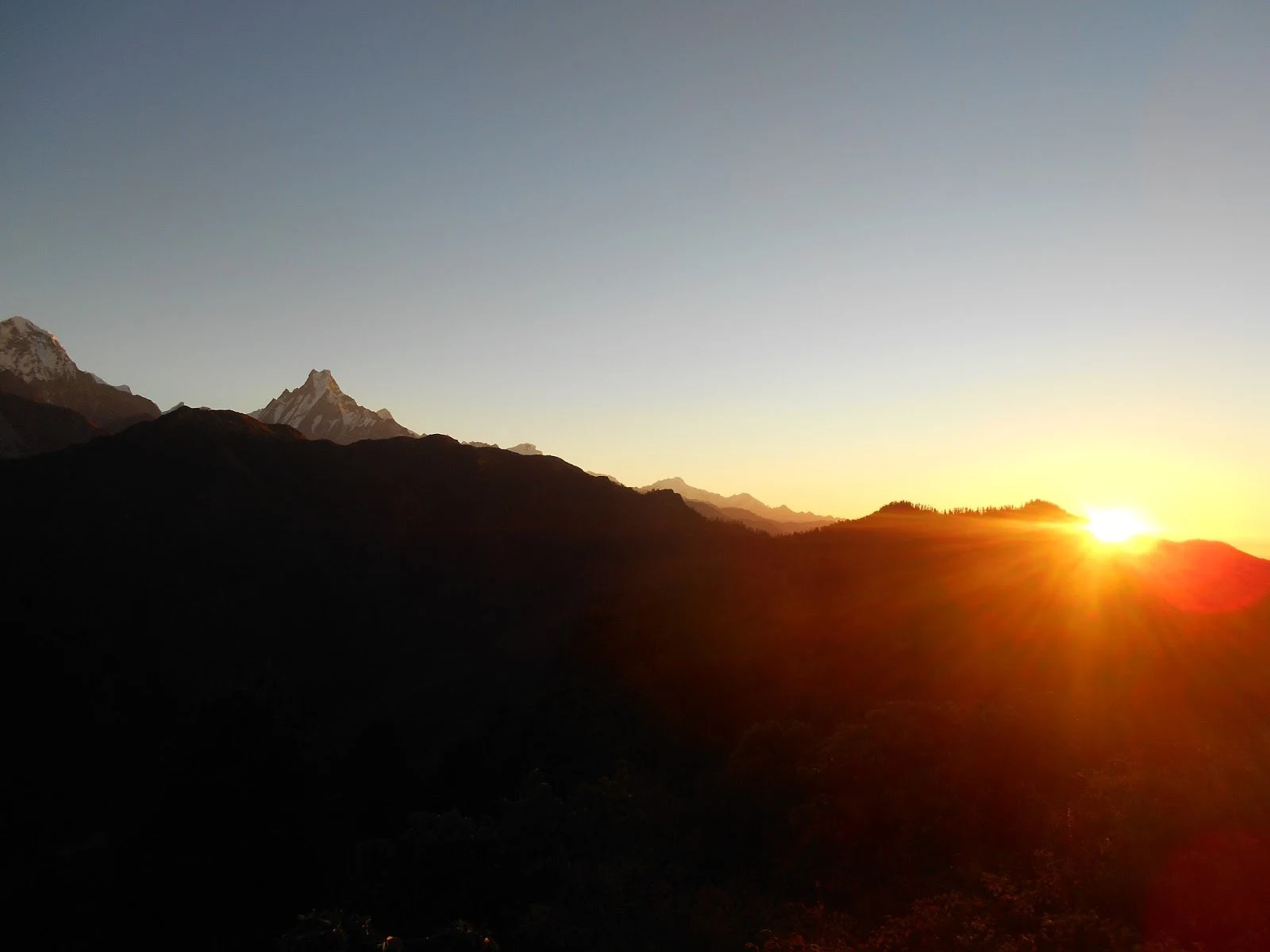
2. Lumbini Popular
Lumbini, on the flat southern plains near the Indian border at roughly 150 metres, is the birthplace of Siddhartha Gautama, who became the Buddha, and it is one of the most peaceful places in Nepal. The UNESCO World Heritage site is organised around the Sacred Garden, where the Maya Devi Temple stands over the excavated marker stone traditionally identified as the spot of the birth. Beside it are the Puskarini pond, where Queen Maya Devi is said to have bathed, and the Ashoka Pillar, raised by the Mauryan emperor in the third century BCE with an inscription that names the place. Give the garden at least a morning and walk slowly; the brick foundations of ancient monasteries sit among old trees and fluttering prayer flags, and the mood is quiet pilgrimage rather than sightseeing.
South of the Sacred Garden lies the Monastic Zone, a wide landscaped area divided into two sides. The eastern side holds Theravada monasteries, and the western side holds Mahayana and Vajrayana ones. Each national community has built in its own tradition, so you move from Thai and Myanmar temples to Chinese, Korean, German and Tibetan buildings within minutes. Cycle or hire a rickshaw to cover the distance, since the park is large and the heat can build quickly. The Lumbini Museum and the research institute nearby add historical context, and the World Peace Pagoda, a white dome on the far side, is a good place to watch the evening light. Early morning chanting at the monasteries welcomes visitors who stay quiet.
Lumbini also sits inside a wider Buddhist landscape that rewards a second day. Tilaurakot, the ruins identified with ancient Kapilavastu, is where the young prince is traditionally said to have lived before renouncing palace life, and smaller sites at Gotihawa, Niglihawa and Ramagrama each preserve a pillar or stupa from the Buddha's era. These outlying places are rarely crowded, so a hired bicycle or a local driver makes the circuit easy, and the countryside between them, with its mustard fields and brick kilns, shows everyday life in the Terai.
Food in Lumbini reflects the plains: simple, generous and often vegetarian near the monasteries. Look for dal bhat with seasonal vegetables, sel roti, fresh curd, and sweets such as jalebi and laddu from market stalls in nearby Bhairahawa. Several monasteries serve vegetarian meals to guests, local restaurants cook Terai dishes with rice and fish, and Tibetan momo and noodle soups are easy to find near the monastic area.
Visit between November and February, when days are comfortable; summer heat and monsoon humidity are intense. Entry to the Maya Devi complex is ticketed, and a May 2026 news report said the fee for third-country foreigners had been raised by up to 75 percent, a change that local people protested, so confirm the current price with the Lumbini Development Trust. Most visitors fly to Bhairahawa, a short drive away, or take a long road journey from Kathmandu or Pokhara that fills most of a day. Dress modestly, remove shoes where signs ask, and keep your voice low near meditation areas. A night in a monastery guesthouse, where available, is an unusual and memorable way to end a day.
3. Janakpur Lesser known
Janakpur, in the southern plains at roughly 75 metres, is the centre of Maithil culture and one of the most important pilgrimage towns for Hindus in Nepal, yet few foreign visitors ever reach it. Tradition holds that this was the capital of King Janak and the home of Sita, whose marriage to Rama is the story that gives the town its meaning. The entire town is organised around that legend, so a visit feels less like sightseeing and more like joining an ongoing celebration, with bells, chanting, marigold garlands and the smell of incense in almost every lane.
The heart of the town is the Janaki Mandir, a large white palace-like temple dedicated to Sita and built in a blend of Mughal and Nepali styles. It was constructed in the early twentieth century and is often called the Nau Lakha Mandir, the temple of nine lakh rupees, after its reputed cost. Arrive in the early morning or at evening aarti, when priests, devotees and singers fill the courtyard, and take time to walk around the outer corridors, where small shrines, rest houses and sellers of religious offerings line the paths. Nearby, the Ram Mandir is one of the older temples in town and anchors the rituals of daily devotion, and many smaller shrines to Rama and other deities are scattered through the lanes.
Janakpur is also a town of ponds. Ganga Sagar, close to the Janaki Mandir, is one of several sacred tanks where pilgrims bathe and light lamps, and boat rides and quiet lakeside walks make it a pleasant place at dusk, when steps glow with oil lamps. Beyond the town, Dhanushadham, a short ride away, is linked in local tradition to the breaking of Shiva's bow before the wedding. Maithil culture also expresses itself in art. Mithila painting, traditionally made by women on house walls and now on paper and cloth, uses bold lines and bright colour to show gods, animals and village life, and visitors can see and buy work at the Mithila Art Gallery and in small workshops around town.
The best moment to come is Vivah Panchami, which in 2026 is calculated to fall on 14 December, though the date was worked out for New Delhi and should be confirmed locally. During the festival, Janakpur re-enacts the wedding of Rama and Sita with processions, the arrival of Rama's wedding party from Ayodhya, and rites at the Janaki Mandir, and pilgrims arrive from Nepal and India, so accommodation is scarce and prices rise. If you cannot time your trip to the festival, the winter months from November to February still offer comfortable days, while summer is very hot.
The food of Mithila is a good reason to stay overnight. Try dahi chiura, beaten rice with yogurt, and thekua, a sweet fried wheat snack, then look for tarua, vegetables fried in gram-flour batter, and litti chokha, stuffed wheat balls served with spiced mashed potato. A Maithili thali brings several of these dishes on one plate, and sweet shops around the temple sell fresh sweets all day. Janakpur's position near the Indian border also makes its markets good places to look for textiles, spices, jewellery and handicrafts.
Most visitors take a short flight from Kathmandu, while the road journey is long and best done by private vehicle. Plan one full day, or two if you want to attend the evening ritual and see the ponds in different light. Dress modestly, remove shoes at temple entrances and ask before photographing worshippers or priests.
4. Bandipur Lesser known
Bandipur is a preserved Newari hilltop town at about 1,030 metres, and it feels like a stage set of old Nepal that people still live in. It grew rich as a trading post on the route between India and Tibet, and its merchants built the tall brick and wood houses with neoclassical windows that line the Main Bazaar today. When the Prithvi Highway was built far below in the 1970s the traffic left and the town went quiet, which is the reason it survived intact. Today the bazaar street is car-free, paved with stone slabs and lit by lanterns in the evening, and a night here is the best way to see it, because day visitors thin out by late afternoon.
Start by walking the length of the bazaar, past tiny shops, old Newari courtyards, and the library and community buildings that show how seriously the town takes its heritage. Khadga Devi Temple, which houses a sacred sword, and the Bindebasini Temple area give a sense of local ritual, while the open ridge of Tundikhel, once a parade ground, is where most visitors gather at sunrise and sunset to look across to the Marsyangdi valley and the Annapurna and Manaslu ranges. A short walk beyond the bazaar leads to Thani Mai, a small hilltop shrine with a broad view, and further on to Raniban, a forest above the town that is pleasant for an easy morning stroll.
The most memorable excursion is Siddha Gufa, one of the largest caves in Nepal, reached by a walk downhill through terraced fields and village paths. A torch and sturdy shoes are essential, because the passage is dark and the floor can be wet; the cave opens into large chambers hung with stalactites and filled with the sound of bats. Walking on to the Magar village of Ramkot gives a contrasting look at a quieter hill community with traditional round-roofed houses. The main appeal here is slowness: tea on a balcony, a book, and a long dusk over the hills.
Food is Newari and thoughtfully cooked in small family kitchens. Try bara, the lentil patty often served with egg, chatamari, spiced buffalo or vegetable choila, beaten rice with pickles, and a plate of dal bhat with local greens. Many guesthouses serve tea with sel roti and fresh curd, and a few cafés pour Nepali coffee on terraces with a view. Local cooks are often happy to talk through the dishes and what festivals call for them.
October to April is the comfortable season, with clear mornings, while monsoon brings mist and leeches on forest paths. Bandipur lies a short uphill drive from Dumre on the Prithvi Highway, so it fits neatly into a Kathmandu to Pokhara journey, although a 2026 transport guide notes that the regular tourist bus does not go up to the town and you will need a private vehicle or a local connection from the highway. Plan one night at least; two let you do the cave and Ramkot without hurrying.
5. Tansen (Palpa) Lesser known
Tansen, the hill town of Palpa at about 1,370 metres, sits on a ridge above the Kali Gandaki valley on the Siddhartha Highway that links Pokhara to the plains, and it is one of the best places in Nepal to see a historic Magar and Newar hill town that tourism has barely touched. The streets climb steeply between old brick houses, tiny shops and tea stalls, and the pace is slow. Because most travellers pass through on the way to Lumbini, a night here gives an easy contrast with the busier trails and a good place to rest after a long drive.
The town's main landmark is Palpa Durbar, also called the Tansen Durbar, a large white palace built in 1927 as the seat of the Rana governors of Palpa. It was damaged in 2005 during the civil conflict, then rebuilt and reopened in 2008, and its courtyard and museum now give a sense of the region's political history. Close by, the old gate known as Mul Dhoka leads into the heart of the bazaar, where you will find the temple of Bhagwati and narrow lanes of cloth sellers. Tansen is especially known for dhaka, a hand-woven patterned cloth used to make the Nepali topi, and shops and small workshops sell cloth and finished caps.
For views, walk to Srinagar Hill, a wooded park only a short way from the bazaar, where on clear days the Himalayan ridge and the lowlands spread out together. Another good outing is Rani Mahal, also called Ranighat Palace, a white Rana palace built in 1893 on the banks of the Kali Gandaki by General Khadga Shamsher in memory of his wife, which has earned it the nickname of the Taj Mahal of Nepal. The palace sits in a quiet river gorge some distance below town, so allow time for the journey and the walk. Many people also enjoy watching the clouds fill the Madi valley in the early morning from viewpoints on the ridge.
Tansen is also a good place to meet local people. Small family guesthouses and community homestays offer meals and conversation, and festival days bring music and processions through the bazaar. The hills around town have walking trails through terraced fields and forest, and short hikes pass villages where Magar and Newar families have lived for generations. If you enjoy textiles, ask to see dhaka being woven, and if you enjoy simple food, ask your hosts what is in season.
Food in Tansen is home cooking: dal bhat with vegetables from the hills, local pickles and fresh curd, with Newari snacks such as bara and chatamari in the bazaar and plenty of tea stalls selling sweets and fried snacks. October to April is the comfortable season, with clear mornings and cool evenings, while the monsoon brings thick cloud and rain. Reach Tansen by bus or private vehicle from Pokhara or Butwal along the Siddhartha Highway, and plan at least one night.
Mountains and Trekking
6. Pokhara Popular
Pokhara, at about 820 metres, is where Nepal slows down. The city wraps around Phewa Lake, and on a clear morning the Annapurna range and the unclimbed fishtail peak of Machapuchare seem to float above the water. Most travellers arrive for a night before a trek and end up staying for days. Lakeside, the long strip of cafés, gear shops and guesthouses, is the social centre, while the old bazaar in the north keeps a more local pace with Newari houses and fruit sellers. A row across the lake in a painted wooden boat to Tal Barahi, the small island temple dedicated to a form of the goddess, is the classic first outing, and a late afternoon paddle shows the mountains turning pink.
The best viewpoints lie above the lake. Sarangkot, a ridge at about 1,600 metres, draws crowds at dawn to watch sunlight reach Dhaulagiri, the Annapurnas and Machapuchare in turn, and it is also the main launch site for paragliding, one of the most popular activities in the city. The World Peace Pagoda on Anadu Hill, a white stupa reached by boat and a forest walk, gives a calmer view back over the lake. In the south, Davis Falls disappears into a narrow gorge, and across the road Gupteshwor Mahadev Cave runs into a hidden shrine. Mahendra Cave in the north is a limestone cavern, and the Seti River gorge cuts through the middle of town, so you can see it from several bridges and lanes.
Pokhara has plenty of indoor interest too. The International Mountain Museum explains peaks, climbers and Himalayan peoples in a clear, well laid out set of galleries, and Bindhyabasini Temple in the old bazaar gives a taste of everyday devotion. If the lake gets crowded, Begnas and Rupa lakes, east of the city, are quieter places for a boat ride, a picnic or a swim, and local fishing villages sit along their banks. Yoga studios, meditation centres and cafés that serve filter coffee have grown up around Lakeside, so a rest day is easy to fill.
Food in Pokhara is among the best in Nepal. Seek out a Thakali set, a thali from the Thakali people of the Kali Gandaki valley that comes with rice, lentils, greens, pickles and meat or vegetable curries, and try Gurung dishes if a restaurant offers them. Momo are everywhere, grilled or fresh lake fish appears on menus near the shore, and local honey and apples turn up in markets. Cafés bake bread, pies and cakes for trekkers, and rooftop restaurants serve Nepali and Tibetan dishes with a view of the water.
Pokhara is comfortable from October to May, with the clearest mountains from October to December and again in spring; the monsoon is heavy here, one of the wettest places in the country. You can fly from Kathmandu in about half an hour, with 2026 guides quoting roughly US$80 to 130 one way for foreigners, or travel the 200 kilometres by road. A tourist bus is officially six to seven hours but one 2026 guide advises allowing eight to ten because of road works, with standard fares of about NPR 800 to 1,200 and VIP sofa buses higher, while a private car costs roughly NPR 12,000 to 18,000. Night buses are not recommended, and flights are affected by weather, so leave slack in your plans if you are connecting to a trek.
Budget for Pokhara depends on the season. A 2026 price guide gives hotel rooms of about US$10 to 25 a night at the budget end, US$40 to 100 in the mid-range and US$150 or more for luxury, with total daily budgets of roughly US$25 to 50, US$60 to 120 and US$150 or more. The International Mountain Museum was listed at NPR 500 for foreigners in a 2025 guide, so check the gate price.
7. Khumbu and Everest Base Camp Popular
The Khumbu region, in the Sagarmatha National Park, is the home of the Sherpa people and the approach to Mount Everest, and the trek to Everest Base Camp reaches 5,364 metres. Most trekkers start with a flight to Lukla, whose short sloping runway is one of the most famous airstrips in the world. In the 2026 peak seasons many Lukla flights have been operated from Ramechhap, also called Manthali, about 132 kilometres east of Kathmandu, rather than from the capital because of airport congestion. A January 2026 operator guide put the drive at roughly four and a half to five hours, with shared vehicles leaving Kathmandu around 1 to 2 am, and the flight itself at about twenty minutes compared with thirty-five from Kathmandu, so confirm the departure airport and airline schedule with your operator. From Lukla the trail descends to Phakding and follows the Dudh Kosi river, crossing high suspension bridges draped in prayer flags on the way to Namche Bazaar.
Namche Bazaar, at 3,440 metres, is the Sherpa capital and the place to rest and acclimatise for two nights. Its horseshoe of stone houses holds bakeries, gear shops, cafés and a Saturday market that draws traders from surrounding villages. Acclimatisation walks lead to the Everest View Hotel for a first look at Everest, Lhotse and Ama Dablam, to Khumjung with its school and monastery, and to the national park visitor centre above town, which explains local culture and wildlife. Higher on the route, Tengboche Monastery sits in rhododendron forest with Ama Dablam rising behind it, and visitors can sit quietly in the evening prayer if they remove shoes and keep a respectful distance.
Beyond Tengboche the valleys open into high alpine terrain at Dingboche and Lobuche, where lodges are simple and the air is thin. The final stage reaches Gorak Shep and Everest Base Camp itself, a rocky glacier camp marked by prayer flags, where the summit of Everest is hidden behind other peaks. For the classic panorama, most people climb Kala Patthar, at about 5,545 metres, for sunrise or sunset views of Everest, Nuptse and Pumori. Gokyo Lakes is a popular alternative with turquoise lakes and fewer crowds, and the Three Passes route links all of these for experienced trekkers.
The food is hearty and designed for altitude. Dal bhat is the standard, and the saying that it gives you the power for a full day is taken seriously along the trail. Sherpa dishes include shyakpa, a thick noodle and meat stew, riki kur, crisp potato pancakes, and plenty of thukpa and butter tea, while bakeries in Namche serve pies and pastries. Yak cheese appears in several villages, and fresh vegetables become rarer the higher you go, so rely on soups and eat garlic soup if locals suggest it.
Spring, from March to May, and autumn, from October to November, are the main seasons, with clearer skies in autumn and rhododendron flowers in spring. Expect twelve to fourteen days with rest days built in, because altitude is the main risk. Agencies in 2026 report a Sagarmatha National Park permit of NPR 3,000 plus a Khumbu Pasang Lhamu rural municipality permit, quoted at about NPR 3,000 or US$20, which has replaced the old TIMS card in this region. Guide rules have tightened across Nepal and one 2026 listing describes a licensed guide as technically required on this route with variable local enforcement, so confirm permits and guide requirements with a registered agency or the Nepal Tourism Board before you go. Carry insurance that covers helicopter evacuation, and descend if symptoms of altitude sickness worsen.
8. Annapurna Base Camp Popular
The trek to Annapurna Base Camp climbs into a glacial basin ringed by some of the most dramatic peaks in the world, and it does so with a gentler infrastructure of lodges and villages than any other Himalayan route. Base camp lies at about 4,130 metres inside the Annapurna Sanctuary, surrounded by Annapurna I, which at 8,091 metres is the tenth highest mountain on earth, along with Machapuchare, Hiunchuli and Gangapurna. The route usually takes seven to ten days, beginning with a drive from Pokhara to a trailhead such as Nayapul or Phedi, and passing through terraced hills, bamboo forests and Gurung villages before climbing into rhododendron and then alpine terrain.
Most itineraries pass through Chhomrong, a Gurung village perched on a ridge with views of Annapurna South and Machapuchare, and then drop to the river at Sinuwa and Bamboo. Before reaching the high section, the trail passes Dovan and Himalaya, then Deurali, where the forest ends and the valley narrows. From here the route climbs to Machapuchare Base Camp at about 3,700 metres and onward to Annapurna Base Camp, where the peaks encircle you in a vast amphitheatre. Sunrise from base camp is the highlight, as the walls above the glacier turn from violet to gold, and the sense of enclosure is unlike any other trek in Nepal.
The hot springs at Jhinu Danda, a short walk below Chhomrong, are a favourite reward on the way down and an easy side stop for tired legs. Nearby villages such as Ghandruk offer a window into Gurung life, with slate-roofed stone houses, a small museum of local culture and homestays in some places, and many trekkers choose to exit through Ghandruk or Tadapani to vary the route. The area is protected as part of the Annapurna Conservation Area, so you will meet rangers, porters and local committees who maintain the trail, and your permit fees support their work.
Food on the trail is simple and filling. Dal bhat comes with seasonal vegetables and pickle, and Gurung kitchens may offer dhindo, a thick millet or buckwheat porridge eaten with gundruk, a fermented leafy green soup. Thukpa, noodle soups, fried rice, porridge and Tibetan bread keep you moving, and tea houses sell hot lemon and ginger drinks that help with the cold. Local honey and millet drinks are available in some villages, though you should be cautious about alcohol at altitude.
Spring and autumn are the best seasons, from March to May and October to November. Avalanche risk is higher in the upper sanctuary during and just after heavy snow, particularly in late winter and early spring, so ask lodge owners and guides about conditions before the final section. The Annapurna Conservation Area permit is listed at NPR 3,000 for foreigners in 2026 guides, and agencies disagree on whether a TIMS card is still needed, with some saying it is being phased out and others still listing an electronic card at NPR 2,000. They also disagree on guides: some say none is legally required in this region, while others report a mandatory licensed guide on major routes. Check the current rules with a registered agency, and give yourself time to acclimatise rather than rushing from the lower villages to base camp in a day. Teahouse budgets are modest, with a 2026 guide quoting NPR 700 to 1,500, or US$15 to 30, a day for rooms and meals alone, plus about US$30 to 35 for a solo guide and US$15 to 20 for a porter.
9. Ghorepani and Poon Hill Popular
The Ghorepani and Poon Hill trek is the shortest and most forgiving way to see the Annapurna and Dhaulagiri ranges up close, which makes it a favourite for first-time Himalayan trekkers and families with older children. It usually takes four to five days from a trailhead near Pokhara such as Nayapul. The high point is Poon Hill, at 3,210 metres, where a hilltop viewpoint with a tea stall gives a wide, quiet outlook at sunrise. From there the horizon runs from Dhaulagiri, which rises above 8,000 metres, through the Annapurna massif to Machapuchare, with the first light turning each summit pink and then gold.
The walk begins in low valleys, where the trail follows streams and passes through villages such as Tikhedhunga before climbing the long stone staircase to Ulleri, a famous test of patience that rises thousands of steps through terraced fields. Above Ulleri the path enters forest of oak and rhododendron, and in March and April the trees flower in red and pink, which is the Nepali national flower season and a reason many trekkers pick spring. The path passes Banthanti and reaches Ghorepani, a bustling village of lodges where trekkers gather, share tables and set alarms for the pre-dawn climb to the viewpoint, which takes about an hour with a headlamp.
Many people continue beyond Poon Hill rather than turning back. The trail to Tadapani and onward to Ghandruk, a large Gurung village with slate roofs and mountain views, gives a more varied loop and a look at village life, from millet drying on rooftops to the sound of the river far below. In Ghandruk a small museum introduces Gurung traditions, including the long history of Gurung men serving as Gurkha soldiers, and homestays provide a chance to eat with a family. You can also add side trips such as Nangi or the Khopra ridge if you want more time in the hills.
Food along the route is dal bhat, thukpa, fried noodles and eggs, with Gurung and Thakali influences. At Ghorepani, trekkers often eat a pancake or porridge breakfast at the viewpoint and then a second breakfast on return, while in Ghandruk you may find dhindo with gundruk, fresh curd and local honey. Some villages sell rhododendron juice made from the flowers, a sweet drink worth sampling in season, and hot lemon with honey is the standard remedy for cold mornings.
October and November give the clearest views, and March and April give flowers with warm days, though some haze is common in spring. Winter trekking is possible but cold and snowy near the top. The trek reaches a moderate altitude, but headaches can still appear, so ascend gradually, drink water and check current permit requirements for the Annapurna Conservation Area, listed at NPR 3,000 for foreigners in 2026 guides, with your agency or at the trailhead. A four to five day trek is also one of the cheaper ways into the mountains, since teahouse rooms and meals are the main daily cost.
10. Manang and the Annapurna Circuit Popular
The Annapurna Circuit is one of the great long-distance walks of the Himalaya because it crosses so many worlds in a single journey: subtropical rice terraces, pine and rhododendron forest, high Tibetan-influenced valleys, a pass above 5,000 metres and finally the dry canyon of the Kali Gandaki. Manang, at about 3,519 metres, is the pivot of the route and the main place to rest before the crossing. The village stands in a broad valley beneath Annapurna II, Annapurna III and Gangapurna, with the glacier lake of Gangapurna glinting below its houses and the stone walls and prayer flags of a classic Himalayan settlement.
Roads have reached large parts of the circuit, so many trekkers now shorten the walk by taking a jeep for sections, and the traditional route begins at Besisahar and follows the Marsyangdi river through Dharapani, Chame and Pisang. Upper Pisang is a good detour for views and the old village of Gyaru, and the high trail between Pisang and Manang passes Ngawal and Braga, where Braga Monastery clings to a cliff with painted walls and an old collection of statues. In Manang itself, acclimatisation days are not wasted: you can climb to the Gangapurna viewpoint above the lake, walk to Ice Lake at a high elevation, or visit the Himalayan Rescue Association post, which gives a daily talk on altitude sickness.
From Manang the circuit climbs steadily to Thorong La at 5,416 metres, one of the highest trekking passes in the world, and descends steeply to Muktinath, a sacred site for both Hindus and Buddhists with a temple, natural flames and 108 water spouts. Tilicho Lake, at around 4,900 metres, is a demanding side trip for those with enough days and good acclimatisation, and it is often described as one of the highest lakes of its size. Beyond Muktinath the route reaches Kagbeni, a medieval-looking village at the gateway to Upper Mustang, followed by Jomsom, Marpha and Tatopani, whose hot springs soothe tired legs at the end.
The food culture changes along the way. In Manang you will find yak cheese, buckwheat bread, tsampa, thukpa and the famous apple pie sold in nearly every lodge, and many bakeries bake in simple ovens that attract trekkers by smell. Marpha is known for its apples, and you can try dried apples, cider and apple brandy in the village, while Thakali kitchens in the Kali Gandaki valley serve some of the best dal bhat in Nepal. Along the way, butter tea and hot lemon make good companions.
Autumn, from late September to November, is the main season, and spring, from March to May, is also good. The pass can be dangerous in bad weather and snow, so start early, carry warm layers, and follow local advice about conditions. The Annapurna Conservation Area permit is listed at NPR 3,000 for foreigners in 2026 guides, but agencies disagree about TIMS and guide rules, so check the current requirements with a registered agency. Allow at least two nights in Manang, and be prepared to turn back if you feel unwell. A guide or experienced companions add safety on the crossing.
11. Langtang Valley Popular
The Langtang Valley is the closest high Himalayan trek to Kathmandu, and it combines mountain scenery with a strong Tamang and Tibetan cultural presence. The trail starts at Syabrubesi, reached by a long road journey from the capital, and follows the Langtang Khola river up through forest of oak, rhododendron and bamboo, where red pandas, langur monkeys and Himalayan black bears live in the protected Langtang National Park. The valley is dominated by Langtang Lirung, which rises to 7,227 metres, and the walk leads steadily past small settlements such as Bamboo, Lama Hotel and Ghoratabela into a wide, open glacial valley.
Langtang village is the emotional heart of the trek. In 2015 the earthquake triggered a huge avalanche and landslide that buried much of the original village, and many residents and visitors died. The settlement has since been rebuilt a short distance away, and memorials along the trail tell the story, so walk with respect and spend time listening to local people if they offer to talk. Beyond the village the valley opens to yak pastures and stone walls, and the walk to Kyanjin Gompa, at about 3,870 metres, brings you to a small monastery and a cluster of lodges at the foot of the glaciers.
Kyanjin Gompa makes a fine base for two nights of day hikes. Kyanjin Ri, a ridge above the village, gives a broad panorama of peaks, and Tserko Ri, just under 5,000 metres, is a harder climb for those who are well acclimatised and want a high viewpoint. A small cheese factory in Kyanjin sells fresh yak cheese, and the monastery is a place to sit quietly while pilgrims turn prayer wheels. Experienced trekkers can continue over high passes toward Gosainkunda, a lake complex sacred to Hindus, or toward the Helambu region, which makes a longer loop back toward Kathmandu.
The food leans on mountain staples. Expect dal bhat, thukpa, Tibetan bread, potato dishes, buckwheat pancakes and yak curd or cheese, with Tamang families cooking simple meals in smoky kitchens. Hot lemon, ginger tea and butter tea are available in every lodge, and Kyanjin has a few small bakeries for a break from the standard menu. Many trekkers carry snacks, since prices rise and variety falls with every day of walking.
The best seasons are October and November and March to May, when the weather is stable and the mountains are clear. The trek takes seven to eight days from Syabrubesi and back, with extra time for acclimatisation and side trips, and altitude symptoms can appear above 3,000 metres, so ascend gradually. The Langtang National Park permit is listed at NPR 3,000 for foreigners, and one 2026 agency guide says an electronic TIMS card at about NPR 2,000 is still required here, so confirm both with your agency. Also confirm the road conditions to Syabrubesi, since landslides can slow the journey, especially in monsoon.
12. Upper Mustang Popular
Upper Mustang, the former Kingdom of Lo, is a high desert beyond the Himalayan rain shadow, and its landscape looks nothing like the green hills most people associate with Nepal. Eroded cliffs in red, ochre and grey rise above the Kali Gandaki river, wind carves the soft rock into spires, and the villages are walled clusters of whitewashed houses with fields of barley and buckwheat squeezed into oases. The region sits close to the Tibetan border and its culture is Tibetan Buddhist in nearly every detail, from the prayer flags on the roofs to the monastery paintings inside. It has long been a restricted area, so foreigners need a special permit arranged through a registered agency, with a licensed guide for the whole journey. Published prices disagree: a February 2026 agency guide listed US$500 for the first ten days plus US$50 for each extra day, while a May 2026 article said the fee had been restructured to US$50 a day, which would be about US$350 for seven days. Confirm the current amount with the Department of Immigration or your agency before you book.
The journey usually starts in Jomsom or Kagbeni and follows a trail or a rough jeep road north through villages such as Chele, Samar, Syangboche, Ghami and Charang. Along the way you pass long mani walls, chortens and pastel cliffs pocketed with caves, some of which were once used as dwellings or meditation retreats. Charang has a fine monastery and a white-washed fortress-like palace, and Ghar Gompa, also known as Lo Gekar, is one of the oldest monasteries in the region and is often described as dating to the eighth century. The sheer scale and emptiness of the land is a large part of the experience.
Lo Manthang, at about 3,840 metres, is the walled capital and the destination of the trek. Its narrow lanes hold the old royal palace, the Thubchen and Jampa temples with their remarkable wall paintings, and Chhoede Gompa, the monastery where monks gather for prayers. Around the town, the Chhoser caves, a multi-storey cave complex, and the surrounding villages offer day trips, and the open plains outside the walls are used for festivals. The Tiji festival, usually held in spring, is a spectacle of masked dances and rituals that tells the story of a deity defeating a demon, so check the dates each year if you want to see it.
The food is Tibetan-influenced and shaped by high-altitude farming. Expect butter tea, tsampa, buckwheat bread, thukpa and momo, along with yak and goat meat dishes, potatoes and local vegetables, and Thakali-style dal bhat in some lodges. Mustang is also known for apples, and in some villages you may find apple brandy and dried fruit. Water and food supplies are limited in remote stretches, so bring snacks and a reliable water purification method.
Because the region lies in the rain shadow, it can be walked or driven during the summer monsoon when much of Nepal is wet, although the trails can still be affected by rain and landslides near the gorge. Strong winds blow in the afternoons, so start early and carry sun protection and warm layers. Plan at least eight to ten days if you trek, and confirm the permit requirements, the cost of an authorised agency and the road conditions before booking. On top of the restricted-area permit, the Annapurna Conservation Area permit of NPR 3,000 applies to foreigners.
Wildlife and Wild Places
13. Chitwan National Park Popular
Chitwan National Park, a UNESCO World Heritage site in the southern lowlands at about 150 metres, is the best-known place in Nepal to see wildlife, and it protects a mosaic of riverine forest, tall elephant grass and sal woodland along the Rapti, Reu and Narayani rivers. The park is home to the greater one-horned rhinoceros, the Bengal tiger, sloth bear, gharial and marsh mugger crocodiles, wild boar, several kinds of deer and hundreds of bird species. Most visitors base themselves in Sauraha, a village on the park edge with lodges, restaurants and tour offices, though quieter lodges lie further west near Meghauli and along the buffer zone.
The standard activities fit neatly into two or three days. A jeep safari covers long distances and gives the best chance to see rhinos and deer in open grassland, while a guided walk with trained naturalists lets you track signs and hear the forest, and a canoe trip along the Rapti glides past crocodiles basking on banks and birds fishing along the water. Early morning and late afternoon are the best times for wildlife, and a good guide can explain tracks, calls and the habits of the animals. Choose operators that keep a respectful distance from animals, and be wary of rides or shows that treat elephants as entertainment.
Away from the jungle, the Tharu people who live around the park have a distinct culture worth meeting. Many lodges arrange evening programmes with the Tharu stick dance, in which dancers weave in circles with wooden sticks to drums, and village walks show traditional mud-walled houses with painted decoration. Nearby sites include the Elephant Breeding Centre at Khorsor, where you can learn about the conservation programmes and see young animals, and Bis Hajari Tal, a lake area in the buffer zone known for birdlife and quiet walks. Birdwatchers can spot kingfishers, hornbills, storks and migratory species in the cooler months.
The food is a pleasant surprise for visitors expecting only lodge menus. Tharu cooking includes dhikri, a steamed rice dumpling often eaten with a spicy chutney, ghonghi, a snail curry, and fish prepared with local spices, although many lodges tone down the dishes for guests. Dal bhat with fresh vegetables is standard, and you can find sel roti, local honey and seasonal fruit in markets. Ask your hosts if they can arrange a Tharu meal, which is often served with local rice and spiced pickles.
October to March is the main season, with cool, dry weather and good wildlife viewing, particularly after the tall grass is cut in winter and spring, which improves visibility. Summers are hot and humid, and monsoon brings heavy rain and leeches, though the forest turns lush. Reach Chitwan by tourist bus or private car from Kathmandu or Pokhara in several hours, or fly to Bharatpur and continue by road. A January 2026 compilation lists the park entry fee at NPR 2,000 per day for foreigners, so confirm it with your lodge or the Department of National Parks before you go.
Prices vary widely by style of stay. A 2026 price guide gives Chitwan rooms at about US$20 to 50 a night at the budget end, US$50 to 120 in the mid-range and US$150 or more at jungle resorts, with daily budgets of about US$30 to 60, US$70 to 150 and US$200 or more. Safari activities, such as jeep trips, walks and canoe rides, run from roughly US$10 to 25 a day on a budget to US$70 or more at the luxury end, and many lodges sell all-inclusive packages that bundle meals, guides and activities.
14. Bardia National Park Lesser known
Bardia National Park, in the far west of the lowlands, is the wilder and quieter sibling of Chitwan and is often considered the best place in Nepal to hope for a tiger sighting. The park protects a large block of sal forest, grassland and riverbank along the Karnali and Babai rivers, and because it lies far from Kathmandu, it sees only a fraction of the visitors that reach Chitwan. The reward for the effort of getting there is a more natural atmosphere, where a morning might involve nothing but birdsong, the rustle of deer and the distant call of a langur warning of a predator.
Wildlife viewing here centres on three kinds of outing. A jeep safari crosses grassland and forest tracks to look for tigers, rhinos, wild elephants and swamp deer, a guided jungle walk lets you follow signs on foot with a naturalist, and boat or raft trips on the Karnali river give a chance to see Gangetic dolphins and gharial. Rhinos were reintroduced to the park from Chitwan, and wild elephants roam through, so the park offers a wider range of large animals than many people expect. Bird lovers can record a long list of species, from hornbills and bee-eaters to storks and eagles, particularly along the river.
Away from the park, the Tharu villages around Thakurdwara provide a glimpse of rural life. Homes with painted clay walls, rice fields and ponds sit beside the buffer zone, and many lodges offer village walks, cultural programmes and the chance to meet local families. The Gharial Breeding Centre near the park shows efforts to protect one of the world's most endangered crocodilians, and the Karnali river itself is a draw for those who enjoy a quiet float. If you have extra days, rafting or kayaking trips on the Karnali can be arranged with local operators, and sunset along the river is one of the park's most peaceful hours.
The food around Bardia reflects the Tharu kitchen and the western Terai. Look for dhikri, rice dumplings steamed and served with chutney, fish cooked with local spices, and simple dal bhat with seasonal vegetables, often made with rice grown nearby. Lodges sometimes serve fresh river fish, and homestays can arrange evening meals with a family, which is the best way to taste the region. Hot tea and fried snacks appear after early morning outings, and fruit from local markets makes a good picnic.
The best months are October to April, when the weather is dry and animals gather near water, with spring offering warm days and good visibility as grasses are cut back. Summers are hot and the monsoon makes roads difficult. Most travellers fly to Nepalgunj and drive for a few hours, while the road journey from Kathmandu is long, so plan at least two to three nights. A January 2026 compilation lists the park entry fee at NPR 2,000 for foreigners, but check the current fees and the rules for guides and safaris with your lodge or the Department of National Parks and Wildlife Conservation.
15. Rara Lake Lesser known
Rara Lake, the largest lake in Nepal, lies in the remote Karnali region at about 2,990 metres, inside Rara National Park, and its deep blue water ringed by pine, spruce and juniper forest makes it feel like another country. Because reaching it takes a flight to western Nepal and then a drive or walk, it sees very few visitors compared with the main trekking routes. The reward is silence, clean air and a shoreline that you may have almost to yourself, with snow-dusted ridges rising behind the water and the lake changing colour with the weather and the light through the day.
Most visitors fly from Kathmandu to Nepalgunj and then to Talcha, a small airstrip near the lake, or to Jumla, where a longer walk or a jeep ride leads to the park. The walk from Jumla passes through villages, apple orchards and forest, and gives an excellent introduction to the culture of the Karnali. Once at the lake, there are quiet activities to enjoy. Walk the shoreline loop, which takes a few hours, climb to Murma Top or Chuchemara Hill for a panoramic view of the lake and surrounding peaks, and sit by the water with a book as the light changes. Camping and basic lodges are available, so a night or two lets you see the lake at dawn and dusk.
The national park around the lake protects mountain forest that shelters musk deer, Himalayan black bear, red panda and many birds, although you will need patience and a local guide to spot much beyond the birdlife. In spring, the forest comes alive with rhododendron blooms, and autumn brings clear skies and crisp air, while winter freezes parts of the lake and brings snow. Boating can be arranged in season with local operators, and the Rara village of Chhapru is a good place to learn about the people who live around the park.
Jumla, the gateway, is worth a day on its own. The Sinja Valley holds ruins linked to the medieval Khas kingdom, and the town's markets sell apples, dried fruit and the famous Jumli marshi, a red rice grown at some of the highest elevations where rice is cultivated in the world. Local meals feature this rice with dal, greens, buckwheat and millet, and Karnali homes serve hearty dishes meant for cold weather. Ask your lodge what is in season, and carry snacks since options are limited.
The best seasons are April to May and September to November, when the weather is clearer and the trails are drier. Flights to Talcha and Jumla are weather-dependent, so build extra days into your schedule, and bring warm clothing even in summer because nights are cold. The Rara National Park fee is listed at NPR 3,000 for foreigners in a January 2026 compilation, and one agency guide says an electronic TIMS card is still required in the far-west region, so confirm permits, airline schedules and local requirements with your operator. Treat the lake with care by carrying out all waste.
16. Shey Phoksundo Lake Lesser known
Shey Phoksundo Lake, at about 3,611 metres in the Dolpo region of western Nepal, is often described as the deepest lake in the country, and its colour is the first thing people mention: an intense turquoise that shifts with the light and the weather. The lake lies inside Shey Phoksundo National Park, Nepal's largest national park, and reaching it takes real effort, which is why it remains one of the least visited treasures of the Himalaya. The reward is a landscape of cliffs, forest and snow peaks that feels far removed from the main trekking trails.
Most travellers fly from Kathmandu to Nepalgunj and then catch a small aircraft to Juphal, a landing strip in the hills of Dolpa, though flights are often delayed or cancelled by weather, so extra days in the schedule are essential. From Juphal the trail leads to Dunai, the district headquarters, and then north through forest and gorge to Ringmo, a village at about 3,660 metres on the southern shore of the lake. The full round trip is usually twelve to fourteen days including flights and an acclimatisation day. The route climbs steadily, crosses suspension bridges and passes small settlements where lowland Magar farming villages gradually give way to Tibetan-influenced communities with stone houses, prayer flags and mani walls.
Ringmo is the cultural centre of the trek. The village follows Tibetan Buddhism with older Bon influences, and its people herd yaks, weave and trade seasonally. Above the village, Thasung Tsholing Gompa is a monastery of the Bon tradition that is a spiritual site for local people, and a popular walk leads up to the gompa for a view over the lake. The walk along the lake's western shore, a dramatic path cut into the cliff, is the classic day on the trail, and below the lake's outlet a tall waterfall, often called Suli Gad, plunges through the valley and is claimed to be among the highest in Nepal. The surrounding park shelters Himalayan blue sheep, musk deer and snow leopards, though you will rarely see the cats.
Facilities are simple. Teahouses operate as far as Ringmo and the lake, and small guesthouses and community homestays offer rooms and meals, but supplies are limited, so a registered agency usually arranges food logistics. Meals are built around dal bhat, potatoes, buckwheat, tsampa and butter tea, with yak products available in some places, and you should carry snacks and a reliable water treatment method. Many trekkers add extra time to explore Upper Dolpo, a restricted region that needs a separate and much more expensive permit.
Spring, from March to May, and autumn, from September to November, offer the most stable weather and the best lake colour. Winter snow limits access, and the monsoon can make trails slippery. Permits include a national park fee, reported at NPR 3,000 for foreigners, and a restricted area permit for Lower Dolpo whose price varies by source, so confirm both with a registered agency. Acclimatise carefully, because the lake and village lie above 3,600 metres, and travel with insurance that covers helicopter evacuation.
Scenic Escapes
17. Nagarkot Popular
Nagarkot is a hill station on a ridge about 2,100 metres high, around 30 kilometres east of Kathmandu, and it has long been the easiest way to see the Himalaya without trekking. On a clear morning the horizon fills with the peaks of Langtang, Jugal, Ganesh Himal and Dorje Lakpa, and on exceptionally clear days a distant Everest can be seen far to the east. The village is a string of hotels and viewpoints along a single road, which makes it quiet, cool and refreshing, and a night here is the standard way to catch sunrise, when light reaches the snow and mist fills the valleys below.
Sunrise is the main event, but the day offers more than a single view. The Nagarkot View Tower and other hilltop spots gather early risers with tea, and a slow morning walk along the ridge road takes you through pine forest, farm terraces and small villages where the pace is relaxed. Paths lead down toward Changu Narayan, one of the oldest temples in the Kathmandu Valley, in a walk of a few hours that crosses farmland and ends at a hilltop temple with fine stone carving. Other trails drop toward Sankhu or Bhaktapur, and mountain biking is a popular way to explore the ridges.
Nagarkot suits families and couples as much as walkers. Many hotels have terraces, gardens and rooms with big windows, and a stay of one or two nights lets you combine the ridge with a visit to Bhaktapur, which is a short drive away. In the evening the air cools and the lights of the valley glitter below, which makes a calm contrast to the noise of the capital. If you want more of a hike, you can link Nagarkot with Dhulikhel and the Namobuddha area in a multi-day walk along the ridges that surround the valley.
Food in Nagarkot is mostly lodge cooking, which means dal bhat, momo, noodle soups, fried rice and a few continental dishes, and a plate of local vegetables with rice is usually the best choice. Many hotels serve Newari snacks such as chatamari or bara on request, and sukuti, dried spiced meat, is a classic accompaniment to a drink at sunset. Tea stalls near the viewpoints sell hot milk tea and biscuits for the dawn wait, and fresh seasonal fruit appears at roadside stands.
The clearest views come in October and November and again from March to April, with winter mornings crisp and often spectacular. Monsoon mist and haze can hide the mountains, so check the forecast and give yourself two mornings if possible. Reach Nagarkot by taxi or local bus from Kathmandu or Bhaktapur in a little over an hour, depending on traffic, and bring a warm jacket for the dawn.
18. Ilam Lesser known
Ilam, in the far east of Nepal at about 1,200 metres, is the country's tea district, and its rolling green hills look more like Darjeeling than the Himalayan peaks most visitors expect. The hills are covered with tea gardens that follow the contours of the land, and between them lie villages, cardamom fields and patches of forest. Because Ilam is far from the usual tourist routes, it is peaceful, and visitors tend to be a mix of domestic travellers and a few curious foreigners. A stay of two or three days gives time to walk the gardens, taste the tea and see the sunrise over Kanchenjunga on clear days.
The tea estates are the best place to start. Kanyam and the nearby gardens welcome visitors who want to see how orthodox tea is picked and processed, and many estates offer tastings in simple tea rooms with a view over the slopes. Antu Danda, a viewpoint on a ridge east of the town, is the classic sunrise spot, where on clear mornings you can look across to Kanchenjunga, the third highest mountain in the world, with a sea of cloud often lying in the valleys below. Walking is the best way to explore, and the lanes between gardens are quiet and pleasant, especially in the early morning when workers are picking leaves.
Beyond the tea, Ilam has other places to visit. Mai Pokhari, a wetland and pond complex with a sacred temple in the forested hills near Ilam, is a peaceful stop for birdwatching and a short walk, and Fikkal and the surrounding villages offer a look at local life. The region is home to Limbu and Rai communities with their own languages, festivals and rituals, and visitors who stay in homestays can learn about customs such as the importance of the ancestral hearth and the music and dance of local festivals. From the hills, trekkers sometimes continue into the borderlands and ridge routes toward Sandakphu, which lies across the border and is known for its mountain views.
The food here is distinctive and worth the journey. Ilam produces tea, cardamom and ginger, and local cafés serve a pot of fresh orthodox tea with biscuits or fried snacks. Look for chhurpi, a hard cheese that locals chew like a snack and also add to soups, kinema, a fermented soybean dish eaten with rice, and tongba, a warm millet drink sipped through a bamboo straw from a wooden mug. Sel roti, dhido and fresh vegetables from the hillsides appear in homestay kitchens, and many families will gladly explain how the dishes are made.
March to May and October to November are good seasons, with clearer views in autumn and flowers in spring, while monsoon brings mist and heavy rain. Most travellers fly to Bhadrapur and continue by road for a few hours, or travel overland from the eastern lowlands, so plan time for the journey. Check road and weather conditions in the rainy season, and confirm homestay and tea estate visits in advance, since many are small, family-run places.
Easy and Family-Friendly Nepal
Nepal has a reputation as a trekkers' country, but a great deal of it can be enjoyed with no hiking at all, and the places that suit families, older travellers and anyone who wants comfort over challenge are some of the best in the country. The simplest approach is to keep journeys short and altitude low. Kathmandu Valley, Pokhara, Chitwan, Lumbini, Bandipur and Nagarkot all sit below about 2,100 metres, and every one of them can be reached by road or a short flight without sleeping at a height where altitude sickness becomes a concern.
Pokhara is the natural centre of an easy trip. Boating on Phewa Lake, picnics by Begnas and Rupa lakes, the gentle walk to the World Peace Pagoda and the sunrise view from Sarangkot all work for children and grandparents, and the lakeside strip has plenty of familiar food. Chitwan adds wildlife that children remember for years, from rhinos seen from a jeep to birds spotted from a canoe, and lodges there are used to families and often offer shorter, gentler activities. Nagarkot gives a mountain panorama with one overnight stay and almost no walking, and Bandipur offers a car-free street where children can roam safely and a cave that makes a good short adventure with a torch.
Honeymooners tend to enjoy the same places in a more private way. Lake-view rooms in Pokhara, ridge-top hotels in Nagarkot, and jungle lodges near Chitwan with open-air dining give a romantic mix of comfort and nature, and a heritage guesthouse in Bandipur or Patan adds old-world atmosphere. A short helicopter or scenic mountain flight from Kathmandu or Pokhara can add a mountain view without a trek, though prices vary by operator and season, so compare quotes and check safety records.
Planning is mainly about pace. Build in a rest day after long drives, because roads such as the Prithvi Highway are winding and slow, and carry snacks and motion-sickness remedies for children. Choose accommodation with a restaurant that serves familiar food, drink bottled or treated water, and take sun protection, because the lowland heat is strong outside winter. Always buy travel insurance, check the age rules of any activity such as paragliding, and be realistic about trekking with young children, since the lower routes near Pokhara are suitable only for children who enjoy long walks on steps.
Best Places by Traveller Type
Families
Pokhara, Chitwan and Nagarkot are the easiest places for children, with short transfers, comfortable hotels and activities that do not need special fitness. Bandipur is a good quieter option for a night, and Kathmandu works well if you limit temple days and mix them with parks and markets.
Honeymooners and couples
Lake-view hotels in Pokhara, hilltop stays in Nagarkot and Bandipur, and jungle lodges at Chitwan give privacy and scenery. Add a sunrise at Sarangkot and an evening boat ride on Phewa Lake, and use a private driver for the road stages to save time and avoid bus crowds.
Budget travellers
Nepal is one of the cheaper countries for independent travel, and rooms, local meals and local buses stretch a small budget far. Pokhara, Bandipur, Tansen and Janakpur are inexpensive bases, the Poon Hill trek is one of the cheapest ways into the mountains, and eating dal bhat at local restaurants keeps costs low, though entry fees and permits are the same for everyone.
Solo travellers
Kathmandu's Thamel and Pokhara's Lakeside have the easiest social scenes, with hostels, shared tours and trekking agencies where you can find a partner. Solo travellers should keep copies of documents, use registered agencies and licensed guides for treks, and let someone know their route, especially on remote trails.
Spiritual and cultural travellers
Lumbini for Buddhist heritage, Boudhanath and Swayambhunath for Tibetan Buddhism, Pashupatinath for Hindu ritual, Janakpur for Maithil culture and festivals, and Muktinath on the Annapurna Circuit as a pilgrimage for both faiths make a rich pilgrimage route. Monasteries often welcome quiet visitors at morning prayers, and several offer meditation courses.
3 Ready-Made Nepal Itineraries
Classic Golden Triangle (7 to 10 days): Kathmandu, Chitwan, Pokhara
This is the easiest first trip to Nepal and the one that most guides recommend, because it combines culture, wildlife and mountain scenery with no trekking. Spend the first three days in Kathmandu Valley. Day one can be Kathmandu Durbar Square and Swayambhunath, day two Boudhanath and Pashupatinath, and day three Patan or Bhaktapur, perhaps with a night in Bhaktapur if you want to see it after the day-trippers leave. This pacing gives time to adjust to the city, the food and the traffic, and allows for the weather to change if a flight is delayed.
On day four travel to Chitwan, which takes most of a day by tourist bus or private car, or you can fly to Bharatpur and drive onward. Spend two nights at Sauraha or a quieter lodge, with a jeep safari, a canoe trip and a guided walk, and an evening of Tharu culture. On day six continue by road to Pokhara and spend two or three nights there. Row to Tal Barahi, watch the sunrise from Sarangkot, visit the World Peace Pagoda and the caves, and keep an afternoon free for the lake. On the last day, fly or take the bus back to Kathmandu, remembering that the Prithvi Highway can be slow, so a flight is safer if you have an international departure that evening.
Transport is by tourist bus, private car or domestic flight, and the best season runs from October to March. As a rough estimate, calculated from the 2026 daily ranges in this guide, expect about US$250 to 500 per person at budget level and about US$600 to 1,150 at mid-range, excluding international flights, visa and entry fees. Add the Chitwan park fee, listed at NPR 2,000 per day in a January 2026 compilation, and check current ticket prices at heritage sites.
High Himalaya Explorer (12 to 14 days): Kathmandu, Pokhara, Annapurna Base Camp, Bandipur
This itinerary is for people who want to walk into the mountains but still enjoy comfortable rest days. Spend the first two days in Kathmandu, then fly or take a bus to Pokhara on day three. Use the rest of that day to organise permits, a guide and any gear through a registered agency in Lakeside. Because guide and permit rules were changing in 2026, arrange these in advance or on arrival through an agency rather than relying on out-of-date information.
Days four to eleven take you to Annapurna Base Camp. Drive to a trailhead such as Nayapul, then climb through terraced villages and the long stone steps of the lower valley, pass Chhomrong with its views of Annapurna South and Machapuchare, and continue through bamboo and rhododendron forest to Machapuchare Base Camp and Annapurna Base Camp at 4,130 metres. Allow a day for the descent to the hot springs at Jhinu Danda, and return by a different route through Ghandruk if time allows. If you prefer a shorter hike, replace this section with the four or five day Ghorepani and Poon Hill route, which leaves extra days for Pokhara and Bandipur.
After the trek, rest in Pokhara on day twelve with lakeside food and a massage if you like, then travel to Bandipur on day thirteen, which needs a private vehicle because the regular tourist bus does not go up to the town. Spend a night in the old bazaar and take a short walk to Siddha Cave. On the last day, drive on to Kathmandu or fly back from Pokhara. Spring and autumn are the best seasons, and the rough estimate for the trek variant with a guide is about US$550 to 1,000 per person at budget to mid-range levels, excluding international flights, based on 2026 teahouse, guide and porter ranges. The Annapurna Conservation Area permit is listed at NPR 3,000.
Cultural and Spiritual Loop (7 days): Kathmandu, Bandipur, Lumbini, Janakpur
This route follows the culture of Nepal from the Newar cities of the hills to the Buddhist and Hindu heart of the plains. Spend days one and two in Kathmandu, with the royal squares, Boudhanath at dusk and Pashupatinath on the river, and consider a morning in Patan to see Newari art. On day three travel to Bandipur by private vehicle and spend the afternoon and evening walking its car-free bazaar, then take the early morning light at Tundikhel before the day-trippers arrive.
On day four continue to Lumbini, which is a long day of driving, or fly from Kathmandu to Bhairahawa if you want to save time. Spend days four and five in the Sacred Garden and Monastic Zone, perhaps cycling between monasteries, and visit Tilaurakot and other Buddhist sites on a second morning. Lumbini and Janakpur are far apart across the plains, so most travellers return to Kathmandu by air or road before heading east, or fly between the cities via Kathmandu on day six. In Janakpur, visit the Janaki Mandir at dawn and at the evening ritual, walk around Ganga Sagar, see Mithila paintings and eat dahi chiura and thekua. On day seven fly from Janakpur back to Kathmandu. The schedule is tight, so add a spare day if you can.
If you can time your trip to Vivah Panchami, calculated for 14 December 2026 but worth confirming locally, Janakpur becomes a spectacular festival with processions and pilgrims, but book rooms well ahead. The best season is November to February, when the plains are cool, and costs are driven mostly by domestic flights, whose fares vary by airline and season, so check current prices. Ground costs for rooms and meals at budget level are similar to the Kathmandu ranges given later in this guide.
Nepal Travel Essentials
Visa on arrival
Most nationalities need a tourist visa, which can be obtained on arrival at Tribhuvan International Airport in Kathmandu and at listed land borders. A January 2026 guide lists the fees as US$30 for 15 days, US$50 for 30 days and US$125 for 90 days, but it also notes that its table dates from 2019, so confirm the current amounts on the Department of Immigration website. The guide recommends completing the online form in advance at the immigration department's portal, which produces a barcode slip valid for 15 days that lets you skip the first queue, with payment still made in person. Some nationalities are not eligible for visa on arrival and must apply at a Nepali embassy beforehand, and your passport should have at least six months of validity.
Permits and trekking rules
Permit rules in Nepal have been changing, and published sources disagree, so treat the figures below as a snapshot compiled from agency and travel-guide listings between January and May 2026 and verify them with a registered agency, the Nepal Tourism Board or the park authority before you travel.
| Region | Fees reported in 2026 listings | Notes |
|---|---|---|
| Everest (Sagarmatha National Park) | Park permit NPR 3,000, plus a Khumbu Pasang Lhamu rural municipality permit (reported at about NPR 3,000, or US$20) | TIMS reported as no longer required in Khumbu |
| Annapurna (Poon Hill, ABC, Circuit) | ACAP NPR 3,000 | Sources disagree on TIMS (optional, phased out, or about NPR 2,000) and on guides |
| Langtang | National park NPR 3,000, plus electronic TIMS reported at NPR 2,000 | Agency report, confirm |
| Upper Mustang | Restricted area permit US$500 for ten days plus US$50 per extra day (February 2026 listing), or US$50 per day (May 2026 article), plus ACAP NPR 3,000 | Licensed guide and registered agency required |
| Chitwan and Bardia | Park entry about NPR 2,000 per day | Paid at the park entrance |
| Rara National Park | NPR 3,000 | Electronic TIMS reported for the far west |
| Shey Phoksundo (Lower Dolpo) | Park permit NPR 3,000, plus a restricted area permit | Restricted permit price varies by source |
Compiled from agency and travel-guide listings dated January to May 2026 and researched on . Always confirm with a registered agency, the Nepal Tourism Board or the park office.
The guide question is the one with the most confusion. Nepal announced in 2023 that foreigners must be accompanied by a licensed guide in national parks and conservation areas, and several 2026 agency articles describe it as in force, with Annapurna, Langtang and Manaslu listed as mandatory and the Everest region as technically mandatory with variable local enforcement. Other agencies say no guide is legally required in the Annapurna region. Restricted areas such as Upper Mustang and Dolpo have always required a licensed guide and a registered agency, and one article reports that the two-person minimum for restricted-area applications was removed in March 2026. Because these claims come mostly from agencies that sell guided treks, confirm the current rule with the Nepal Tourism Board or the Trekking Agencies' Association of Nepal.
Getting around
Nepal's transport mixes flights, tourist buses and private vehicles. Between Kathmandu and Pokhara you can fly in about 25 to 30 minutes, with 2026 guides quoting roughly US$80 to 130 for foreigners, or travel about 200 kilometres by road. Tourist bus fares were listed from about NPR 800 to 1,200 for standard services up to higher prices for sofa-style coaches, journeys are officially six to seven hours but one guide advises allowing eight to ten because of road works, and private cars cost around NPR 12,000 to 18,000. The road follows the Trishuli River gorge and is winding, so motion sickness is common and night buses are not recommended. For Lukla, flights in peak seasons have often operated from Ramechhap, about 132 kilometres east of Kathmandu, which means a drive of roughly four and a half to five hours, usually starting in the early hours. Domestic flights to places such as Lukla, Jomsom, Juphal, Talcha and Jumla depend on weather, so build spare days into any plan.
Budget guide
All figures here are per person, in US dollars, from 2026 price guides, and should be read as ranges rather than promises. Prices rise in autumn and around festivals, and dollar prices move with exchange rates.
| Place | Daily budget: budget | Mid-range | Luxury | Hotel per night: budget | Mid-range | Luxury |
|---|---|---|---|---|---|---|
| Kathmandu | US$20–40 | US$50–100 | US$120–300+ | US$8–20 | US$30–80 | US$150–300+ |
| Pokhara | US$25–50 | US$60–120 | US$150–400+ | US$10–25 | US$40–100 | US$150–300+ |
| Chitwan | US$30–60 | US$70–150 | US$200–500+ | US$20–50 | US$50–120 | US$150–400+ |
Source: a 2026 price guide. Kathmandu to Pokhara one way, per person: tourist bus about US$10–20, domestic flight about US$80–130, private car about US$80–150 (another guide quotes NPR 12,000–18,000).
Trekking is priced differently. One April 2026 budget guide quotes NPR 700 to 1,500, or US$15 to 30, a day for teahouse rooms and meals, with basic rooms from about US$3 to 5, dal bhat at US$4 to 6, a solo guide at about US$30 to 35 a day and a porter at about US$15 to 20 a day. A July 2026 Annapurna Circuit guide estimates about US$90 a day all-in, which shows how widely published figures vary with route, season and style, so budget generously and carry extra cash.
Money, SIM cards and safety
The currency is the Nepalese rupee. Carry cash on treks, because cash machines are scarce in the mountains, and withdraw enough in Kathmandu or Pokhara before you leave. Tourist SIM cards from the main mobile operators can be bought in Kathmandu and Pokhara with a passport and photo, and coverage on popular trails has improved, though it can be weak in high valleys. Buy insurance that covers trekking at altitude and helicopter evacuation, drink treated water, wash hands often and keep copies of your passport and permits. Most solo women travel in Nepal without problems in popular areas, but standard precautions apply, such as avoiding isolated walks at night and using reputable guesthouses.
Altitude sickness
Above about 3,000 metres, the main rule is to climb high and sleep low and to avoid sleeping more than about 300 to 500 metres higher each night. Headache, nausea, dizziness and poor sleep are early warning signs. If confusion, loss of balance or breathlessness at rest appears, descend immediately and seek help, and do not rely on medication as a substitute for slow ascent. Build rest days into any trek, drink plenty of water and tell your guide about symptoms early.
Cultural etiquette
Walk clockwise around stupas, mani walls and prayer wheels. Remove shoes and hats before entering temples and monasteries, dress modestly at sacred sites, and ask before photographing people, priests or ceremonies. Give and receive objects with your right hand or both hands, avoid pointing your feet at people or shrines, and keep voices low near meditation areas. Non-Hindus cannot enter the inner sanctuary of Pashupatinath, so respect the signs and view the rites from the permitted areas.
Interactive Map and Downloads
The map below shows Nepal, and the links underneath open each place in Google Maps, where you can add your own pins for viewpoints, bus stations and permit offices. A printable checklist for documents, packing, health and respect follows, and the same checklist is supplied as a separate PDF file with this guide.
Open in Google Maps: Kathmandu Valley · Lumbini · Janakpur · Bandipur · Tansen (Palpa) · Pokhara · Khumbu and Everest Base Camp · Annapurna Base Camp · Ghorepani and Poon Hill · Manang and the Annapurna Circuit · Langtang Valley · Upper Mustang · Chitwan National Park · Bardia National Park · Rara Lake · Shey Phoksundo Lake · Nagarkot · Ilam
| Area | Check before you go |
|---|---|
| Documents | Passport with at least six months of validity; printed visa barcode slip or visa fee in cash; travel insurance covering trekking altitude and helicopter evacuation; copies of passport and permits; permits and electronic TIMS arranged through a registered agency where required; confirmed domestic flight schedules. |
| Health and safety | Basic first-aid kit and personal medicines; water treatment tablets or a filter; sun protection; an acclimatisation plan with rest days; insurer and emergency contact numbers saved offline; vaccinations discussed with a doctor before travel. |
| Packing | Layers for cold mornings; waterproof jacket; broken-in boots; headlamp; trekking poles; warm sleeping bag or liner; day pack with rain cover; power adapter and power bank; reusable water bottle. |
| Money and connectivity | Cash in Nepalese rupees for treks, including small notes for teahouses; a card for Kathmandu and Pokhara; a tourist SIM card; offline maps downloaded before you leave. |
| Respect and conduct | Modest clothing and a scarf for temples; ask before photographing people or ceremonies; walk clockwise around stupas; remove shoes and hats where signs ask; carry out your waste. |
Frequently Asked Questions
What is the best month to visit Nepal?
October and November give the clearest mountain views, and March to April brings flowers and warm trails. Winter suits the lowlands such as Chitwan, Bardia and Lumbini, and Upper Mustang can be visited during the monsoon because it lies in the rain shadow.
How many days do I need in Nepal?
One week is enough for Kathmandu Valley, Pokhara and Chitwan. Add another week for a trek such as Ghorepani and Poon Hill, and allow twelve to fourteen days for Everest Base Camp.
How much does a trip to Nepal cost?
Budget travellers can expect roughly US$20 to 50 a day in Kathmandu, Pokhara and Chitwan, and mid-range travellers roughly US$50 to 150, according to 2026 price guides. Teahouse trekking is quoted at about US$15 to 30 a day for rooms and meals, plus about US$30 to 35 for a solo guide and US$15 to 20 for a porter, though another guide estimates about US$90 a day all-in on the Annapurna Circuit. Permits, flights and visa fees are extra.
Do I need a visa for Nepal?
Most nationalities need a visa. Many can get one on arrival at Kathmandu airport or listed land borders, and a January 2026 guide lists US$30 for 15 days, US$50 for 30 days and US$125 for 90 days, but confirm current fees on the Department of Immigration website.
Do I need a guide to trek in Nepal?
Restricted areas such as Upper Mustang and Dolpo require a licensed guide through a registered agency. For national parks and conservation areas, several 2026 agency articles describe a mandatory guide rule, while others say none is legally required in the Annapurna region, so confirm with the Nepal Tourism Board or a registered agency before you go.
Is Nepal safe for solo female travellers?
Many solo women travel in Nepal without problems, especially in popular areas. Use reputable guesthouses, avoid walking alone at night in cities, share your plans, and consider a guide for remote treks.
Which is better, Pokhara or Chitwan?
They offer different things. Pokhara is for lake life, mountain views and as a base for treks, while Chitwan is for wildlife and Tharu culture. Most itineraries include both.
Can I visit Nepal without trekking?
Yes. Kathmandu Valley, Pokhara, Lumbini, Chitwan, Bandipur and Nagarkot all offer culture, nature and mountain views without a multi-day trek.
What are the best places in Nepal in winter?
Choose lower places such as Chitwan, Bardia, Lumbini, Janakpur, Pokhara and Kathmandu Valley. Avoid high passes and treks above about 4,000 metres in the coldest months.
Which lesser-known places in Nepal are worth visiting?
Bandipur for a preserved Newari town, Tansen for a historic hill town, Janakpur for Maithil culture, Bardia for quiet wildlife, Rara Lake and Shey Phoksundo for remote scenery, and Ilam for tea gardens are good choices away from the usual routes.
Final Word
If you pick only three places, make them Kathmandu Valley, Pokhara and Chitwan. Add Ghorepani and Poon Hill or Annapurna Base Camp if you have time to walk, and Bandipur, Tansen or Janakpur if you want quieter stops with more local colour. Whatever you choose, plan for weather delays, confirm permits and guide rules with a registered agency, and travel slowly enough to enjoy the food and the people.
Sources and How This Guide Was Checked
Fees, permits, transport costs and festival dates were researched on from the pages below. Several are agency or travel-guide articles rather than government notices, and some contradict each other, so use them as a starting point and confirm with official bodies: Nepal Tourism Board; Department of National Parks and Wildlife Conservation; Department of Immigration.
Prices, permits, visa rules and flight arrangements change often. Use this guide to choose where to go, and confirm the details with the official sources above before you book.

Kalyan Panja
Kalyan Panja is a travel writer, photographer, and founder of Travtasy, exploring off-the-beaten-track destinations since 2006. His writing and photography have been featured by National Geographic, Lonely Planet, Google Travel, and Getty Images. Kalyan prefers road trips, EV corridors, mountain routes, and hotel stays across Asia, Europe, and North America to provide verified, first-hand travel guides.
Full Bio, Media Kit →