They say you don’t choose to visit Kedarnath; the mountain chooses you. I finally heard the call. Standing at the base of the Mandakini valley, the air felt electric, charged with the prayers of millions who have walked these paths for centuries. This isn't just a travelogue; it’s a fragment of my soul left behind in the snow.
What I discovered was that Kedarnath isn't just a temple; it's a constellation of sacred spots, each holding a secret, a myth, or a miracle. Below are the ten places that redefined my understanding of faith and nature.
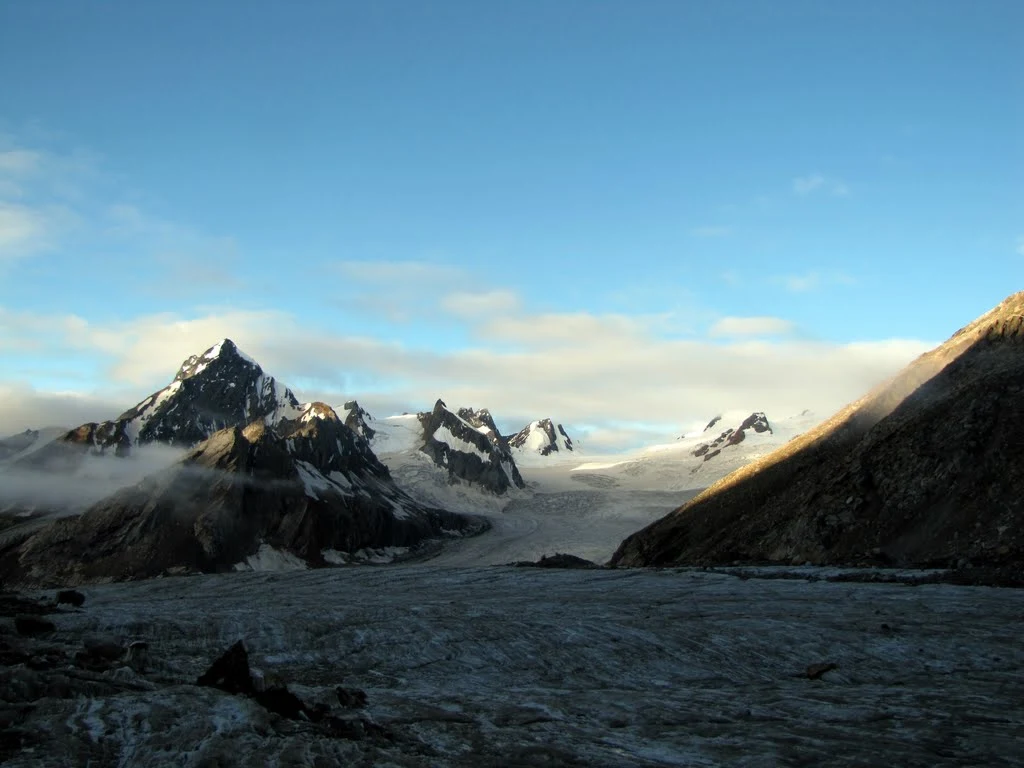
The majestic peaks surrounding the Kedarnath shrine.
| Location | Distance from Temple | Difficulty |
|---|---|---|
| Bhairavnath | 500 m | Moderate (Steep) |
| Vasuki Tal | 8 km | High (Glacial) |
| Gandhi Sarovar | 3 km | Moderate |
| Bhim Shila | Adjacent | Easy |
1. The Kedarnath Temple: A Granite Miracle
I stood in the pre-dawn darkness, my breath blooming in the cold air like white smoke. When the temple doors finally creaked open, the sound of a hundred bells erupted simultaneously. Stepping inside, the scent of centuries-old incense and ghee hits you instantly. It’s a heavy, comforting aroma that feels like home. I watched a group of pilgrims from South India, dressed in vibrant yellow dhotis, weeping with joy as they caught their first glimpse of the Swayambhu Lingam.
The interior is surprisingly intimate. The walls are carved with figures of the Pandavas and Hindu deities, smoothed over by millions of hands touching them in reverence. I moved closer to the central hump-shaped stone. Unlike the polished marble of city temples, this is raw, jagged mountain rock. I pressed my forehead against it, and for a split second, the noise of the world outside—the trekking horses, the helicopters, the shouting—simply ceased to exist.
Tradition here dictates that you offer "Bel Patra" (leaves of the stone apple tree). I watched an old woman carefully place three leaves on the rock, her hands trembling. She told me she had saved for twenty years for this moment. It’s this human connection, this raw, unfiltered devotion, that makes the temple more than just an architectural marvel of the 8th century. It is a living, breathing testament to human persistence.
📽️ Experience the Vibe: The Trek to the Shrine
Watch: A cinematic glimpse into the rugged beauty of the Kedar valley trek.
2. Bhairavnath Temple: The Fierce Guardian
The 500-meter climb to Bhairavnath is steep enough to make your heart hammer against your ribs, but the view is the ultimate reward. There are no walls here, no roof—just the sky and the deity. Bhairon Baba is the "Kshetrapal" (Protector) of the valley, and his presence is fierce. I saw the deity smeared in deep red vermillion, draped in black and red cloth that snapped violently in the high-altitude wind.
I met a local priest who explained that during the winter months, the valley becomes a ghost town. When the main temple closes, the "keys" are spiritually handed over to Bhairon Baba. He is said to protect the entire Kedarnath range from evil spirits while the humans are gone. I felt a strange sense of security standing there, looking down at the tiny temple complex below, realizing that something much larger than us is watching over this sacred ground.
It is a local custom to offer a "Kalava" (sacred thread) at this shrine. I tied mine to a railing already heavy with thousands of others, each representing a prayer for protection. As I descended, I felt I had received "permission" to be in the valley. The folklore says if you don't visit Bhairon Baba, your pilgrimage remains incomplete, and the mountain may not let you leave with its blessings.
3. Bhim Shila: The Rock of Mercy
Directly behind the temple sits a boulder the size of a small house. I remember seeing it and feeling a chill that had nothing to do with the weather. This is the rock that saved the Kedarnath temple during the 2013 floods. It rolled down from the mountains and stopped exactly behind the shrine, splitting the wall of water and debris that would have otherwise leveled the ancient structure.
Touching the Bhim Shila is like touching a physical miracle. It is now worshipped as a deity. I saw pilgrims decorating it with flowers and applying sandalwood tilaks to its rough surface. There is a profound silence around this rock. It’s a place where people don’t talk; they just stand and stare, contemplating how close we came to losing this heritage. It felt to me like a silent guardian that chose to stay behind and protect its master.
The "Bhim Shila" name comes from the belief that the strongest of the Pandavas, Bhima, used his immense strength to place this rock here. Whether you believe in the divine intervention or a geological fluke, the sight of this massive stone standing guard over the delicate temple is one of the most powerful images you will ever see in the Himalayas.
4. Gandhi Sarovar: The Crystal Mirror
The trek to Gandhi Sarovar (Chorabari Tal) is a test of will. At nearly 13,000 feet, every breath is a conscious effort. But when I reached the edge of the lake, the sight took what little breath I had left. The water is a perfect, silver mirror. It reflects the Kedar Dome so clearly that for a moment, I couldn't tell where the mountain ended and the water began. It’s hauntingly beautiful and incredibly lonely.
I sat on a flat rock by the shore, watching floating chunks of ice drift like tiny, crystal boats. Legend has it that this lake is where Shiva first taught the Seven Sages (Saptarishis) the secrets of Yoga. Sitting there, in that absolute silence, I understood why. There is no noise here—no bells, no chanting, just the sound of the wind. It is the ultimate place for 'Dhyana' or meditation. I felt a deep sense of clarity, as if the altitude had stripped away all my trivial worries.
The lake was renamed in 1948 after Mahatma Gandhi’s ashes were immersed here. Locals still call it the "Lake of the Sages." I met a group of hikers who told me that the water level fluctuates with the "breath of the glacier." The path is more rugged than before, but the reward of seeing the Kedar Dome's reflection is a memory I will carry to my grave.
5. Vasuki Tal: The Serpent’s Blue Eye
If Gandhi Sarovar is a mirror, Vasuki Tal is a sapphire. The 8km trek from Kedarnath is not for the faint-hearted—it involves crossing glaciers and steep ridges. I remember my legs burning and my lungs screaming for oxygen. But then, the ridge opened up to reveal a deep, indigo lake nestled between snowy peaks. It looked like a blue eye staring up at the heavens.
According to legend, Lord Vishnu bathed in this lake during the festival of Raksha Bandhan. The lake is named after Vasuki, the serpent king who coils around Shiva's neck. I saw the rare Brahma Kamal blooming around the edges—ghostly white flowers that only grow at these extreme heights. The local tradition is to never touch them, as they are considered the flowers of the gods. I simply knelt and smelled their faint, otherworldly fragrance.
The silence at Vasuki Tal is different—it’s a "heavy" silence that feels ancient. I saw a lone Sadhu sitting by the water, his eyes closed, oblivious to the freezing wind. It reminded me that for some, this isn't a trek; it’s a homecoming. You need a special permit and a guide to reach here, ensuring the lake remains as pristine as the day the gods first saw it.
6. Adi Shankaracharya Samadhi: The Sage’s Silence
Walking into the newly restored Samadhi of Adi Shankaracharya, located right behind the main temple, felt like entering a subterranean chamber of peace. The architecture is unique—it’s built slightly below ground level, symbolizing the sage’s deep connection with the earth. I sat on the polished stone floor, staring at the 12-foot statue of the Seer. The way the light reflects off the stone makes it look like he might open his eyes and speak at any moment.
I remember feeling a profound sense of gratitude here. This was the man who, in the 8th century, walked from the tip of South India to these frozen heights to rebuild this temple. I watched a group of students reciting Sanskrit verses; the rhythm of the ancient language bouncing off the stone walls was hypnotic. It’s a tradition to sit here for at least ten minutes in absolute silence, a practice the locals call "Maun-Dhyana."
The legend says that after establishing the four 'Mathas' across India and completing his mission of reviving Vedic wisdom, Shankaracharya took Mahasamadhi here at the age of 32. He simply walked into the mountains and merged with the light. Standing there, far from the digital noise of my daily life, that story didn't feel like a myth—it felt like a possibility. The Samadhi area also features a small museum of his journey which is a must-see.
7. Gauri Kund: The Thermal Cradle
Every step of the 18km trek starts here, at the steaming hot springs of Gauri Kund. I dipped my hands into the water, and the warmth was a startling contrast to the biting Himalayan air. The water is rich with sulfur, and the locals believe it has the power to heal not just the skin, but the spirit. I saw elderly pilgrims, their faces etched with the fatigue of travel, suddenly brighten and find new strength after a ritual sprinkle of this water.
There is a small, humble temple dedicated to Goddess Parvati (Gauri) right by the springs. I met a local storyteller who told me that this is where Parvati performed thousands of years of 'Tapasya' (penance) to win the heart of Lord Shiva. The tradition is to pray here for a "blessed beginning." I found the atmosphere here to be beautifully chaotic—a mix of steam, bells, and the resolute energy of people beginning the hardest walk of their lives.
Folklore also suggests that this is the birthplace of Lord Ganesha; Parvati is said to have created him from the soap-foam of her bath while she stayed here. Because of this, Gauri Kund is often called the "Cradle of the Gods." For me, it was the place where the "trip" ended and the "pilgrimage" truly began. Always remember to carry a small bottle to take some of this sacred water home; it’s a custom that dates back generations.
8. Sonprayag: The Confluence of Gold
Sonprayag is where the Mandakini and Songanga rivers collide in a thunderous embrace. I stood on the bridge for a long time, mesmerized by the different shades of the water—one a glacial blue, the other a silty, powerful grey. The roar of the water is so loud you can’t hear your own thoughts, which I found to be a strange form of therapy. It’s as if the river washes away the mental clutter you brought from the city.
The name "Sonprayag" literally translates to the "Confluence of Gold." Legend says that a dip at this junction is equivalent to performing a thousand sacrifices. I watched a group of young men taking a ritual bath in the freezing water, their shouts of "Jai Kedar!" echoing against the canyon walls. The energy here is youthful and intense, a stark contrast to the quiet meditation of the high-altitude lakes.
Local tradition says that it was at this very spot that Shiva and Parvati met on their way to their wedding. Today, Sonprayag serves a more practical purpose as the transit hub for the valley, but if you take a moment to step away from the jeep stands and walk down to the water’s edge, the ancient magic is still very much alive. It’s the gatekeeper of the Kedar valley.
9. Triyuginarayan: The Eternal Wedding Fire
A short diversion from the main trek brought me to Triyuginarayan, and it felt like stepping into a time machine. This temple is famous for the 'Akhand Dhuni'—a sacred fire that has supposedly been burning for three 'Yugas' (ages). I sat by the fire pit, the orange glow illuminating the ancient stone carvings, and felt a warmth that wasn't just physical. The smell of burning wood and old ghee is thick in the air, a scent that has lingered here for centuries.
This is the "Wedding Temple" of the Himalayas. According to legend, Lord Shiva and Parvati were married here in the presence of Lord Vishnu, who acted as the bride's brother. I saw several couples in traditional **Uttarakhandi bridal attire**—heavy gold jewelry and intricately embroidered veils—offering wood to the eternal flame. It’s a tradition to take a piece of ash from this fire back home to ensure a long and happy marriage.
There are three sacred ponds (kunds) here, and I saw pilgrims taking sips from the 'Saraswati Kund,' which is believed to spring from the navel of Vishnu. The peaceful, village-like atmosphere of Triyuginarayan is a welcome break from the high-pressure environment of the main Kedarnath trek. It’s a place where you can sit and talk to the locals, hearing stories of gods who lived and loved like humans.
10. Ukhimath: The Winter Sanctuary
My journey concluded at Ukhimath, the winter seat of Kedarnath. When the winter snows make the high peaks uninhabitable, the deity is brought down here in a grand procession. I visited the Omkareshwar Temple and was struck by how different the energy felt—it was lush, green, and quiet. The temple is a masterpiece of mountain architecture, with slanted roofs designed to shed the heavy snow.
I met a retired school teacher there who told me that Ukhimath is named after 'Usha,' the daughter of Banasura, who lived here and married Aniruddha, the grandson of Lord Krishna. The folklore of the region is so deeply woven into the landscape that every stone seems to have a name. I spent the afternoon watching the sun set over the distant Mandakini valley, the same peaks I had just climbed now glowing purple in the distance.
Ukhimath is the perfect place to decompress. The traditions here are more focused on the community; I saw local women gathering in the temple courtyard to sing folk songs in the Garhwali language. It’s a reminder that the pilgrimage isn't just about the high-altitude peaks; it’s about the culture and the people who keep these traditions alive year-round. It was the perfect, gentle end to a powerful spiritual adventure.
The Colors of Kedar: Costumes and Customs
Walking through the narrow lanes of the Kedarnath market, I was struck by the vibrant Garhwali Topis (caps) worn by the locals. They aren't just for warmth; the tilt and the fabric tell a story of heritage. I saw women draped in Pahadi Ghagras and heavy silver nose rings called Naths, which they wear with immense pride during evening Aartis.
One local custom that touched my heart was the 'Pahadi Atithi' tradition. Even at 11,000 feet, if you sit at a local tea stall, the owner will often share a story before they share the bill. They believe every pilgrim is a guest of Mahadev himself. I noticed many pilgrims wearing Rudraksha Malas—but a local priest told me the secret: "Don't just wear it; let it touch your skin near the heart."
How to Reach Kedarnath in 2026
Getting to the Kedar valley is a journey of endurance. Having traveled this route multiple times, my advice is to break the journey:
- By Air: Jolly Grant Airport (Dehradun) is the closest. From here, you can take a taxi to Sonprayag.
- By Road: You can drive from Rishikesh (215 km). The roads are much improved in 2026 due to the All-Weather Road project, but landslides are still a risk in monsoon.
- The Final Leg: No vehicles go beyond Sonprayag/Gaurikund. You must trek 18-20km, take a mule, or a helicopter.
Common Questions for Your 2026 Pilgrimage
Do I need a physical fitness certificate?In 2026, while not strictly mandatory for all, it is highly recommended. The 18km trek is grueling. Ensure you have a basic cardio routine 1 month prior.
Is UPI/Digital payment available in Kedarnath?Yes, but it is highly unreliable due to network congestion. Always carry at least ₹5,000 to ₹10,000 in physical cash for emergencies and local porters.
What traditional clothes should I carry?Bring heavy woolens. If you wish to participate in the 'Abhishek,' men usually wear a Dhoti and women wear a Saree or a sober Salwar Kameez. Local 'Topis' (caps) are available and highly recommended to keep your head warm.
Planning Your Arrival: 2026 Logistics & Fares
Reaching the feet of Mahadev requires more than just faith; it requires careful planning. Based on my recent journey, here is the ground reality of traveling to Kedarnath in 2026.
1. The Mandatory Biometric Registration
Before you even pack your bags, you must register on the Uttarakhand Tourism portal. In 2026, the slots for May and June are often fully booked two months in advance. I recommend keeping a printed copy of your QR code, as mobile networks can be spotty at the Sonprayag verification gate.
2. Estimated Travel Costs (2026 Standards)
Budgeting is crucial. Here is what I spent on my last leg from Rishikesh:
- Bus (GMOU/HRTC): ₹850 – ₹1,200 per person from Rishikesh to Sonprayag.
- Shared Jeep (Max): ₹1,200 – ₹1,500 per seat.
- Helicopter (Round Trip): ₹8,500 – ₹9,800 (Fixed by IRCTC; avoid third-party sellers!).
- Mule/Pony (Gaurikund to Temple): ₹3,500 – ₹5,000 depending on the season peak.
- Porter (Kandi): ₹2,500 – ₹3,500 for a 2-day trip.
3. The "Smart" Route Map
I found that the most comfortable way to reach is the "Split Journey" method. Don't try to rush from Haridwar to Kedarnath in one day.
🎒 The 2026 Kedarnath Packing Checklist
"Don't carry the world on your back, but carry what keeps you alive."
🧥 Clothing & Layers
- ☐ Down Jacket (Grade: -10°C)
- ☐ Thermal Inners (Top & Bottom)
- ☐ Waterproof Poncho (Avoid cheap plastic)
- ☐ Quick-dry Trekking Pants (2 pairs)
- ☐ Woolen Socks & Gloves
💊 Health & Safety
- ☐ Portable Oximeter
- ☐ Camphor (Kafur) for easy breathing
- ☐ Diamox (Consult your doctor for AMS)
- ☐ Crepe Bandage & Pain Relief Spray
- ☐ Personal First-aid Kit
🛠️ Essentials
- ☐ Power Bank (20,000 mAh minimum)
- ☐ Physical Cash (At least ₹5,000)
- ☐ Laminated Registration/Yatra Pass
- ☐ High-SPF Sunscreen (UV is harsh here)
- ☐ Reusable Water Bottle with Filter
The Trekking Realities
Walking that 18km stretch from Gaurikund, I realized that the path is much wider now than it was five years ago, but the incline remains punishing. I saw many pilgrims struggling because they carried heavy backpacks. My advice? Outsource your luggage. Carry only a small daypack with water, energy bars, and your rain poncho.
The "Chati" (resting points) like Bheembali and Lincholi now have better medical facilities and oxygen booths. If you feel even slightly dizzy, stop. There is no shame in taking an hour-long break to let your body acclimatize to the 11,000+ ft altitude.